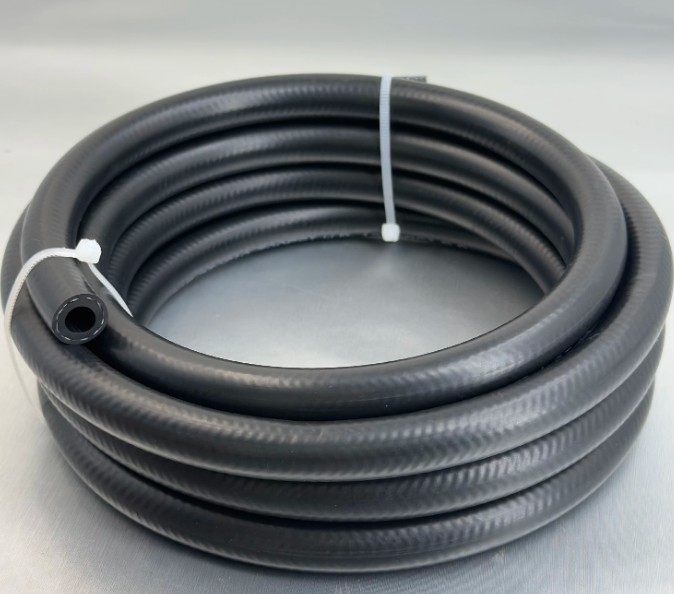
Proper maintenance of your fuel system is critical to engine performance, safety, and longevity. A fuel hose, which carries fuel from the tank to the engine, must remain in excellent condition to prevent leaks, contamination, and potential hazards. Many equipment owners and maintenance technicians overlook routine fuel hose inspection and care, leading to costly repairs, downtime, and safety risks. Understanding how to maintain your fuel hose correctly will help you avoid premature failure and keep your equipment running smoothly.
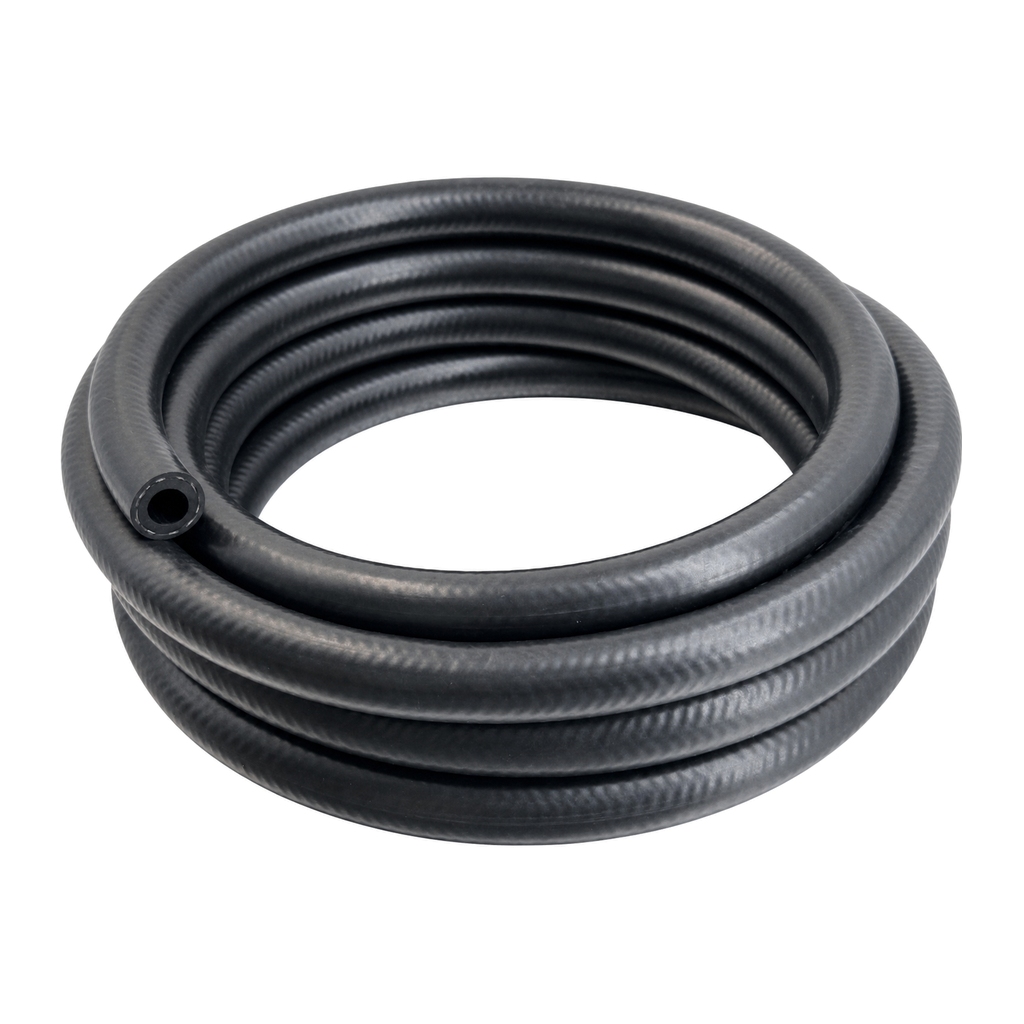
A well-maintained fuel hose system is the foundation of reliable engine operation across industrial, agricultural, and marine applications. Whether you operate diesel equipment, generators, or hydraulic machinery, fuel integrity depends on hose condition. This guide covers the essential maintenance practices, inspection methods, and replacement protocols that will maximize your fuel system's reliability and protect your investment.
Understanding Fuel Hose Degradation and Common Issues
How Fuel Hoses Deteriorate Over Time
Fuel hoses degrade through multiple mechanisms, including heat exposure, chemical attack from fuel additives, UV radiation, and mechanical stress from vibration and pressure cycling. Rubber compounds in a fuel hose can harden and crack when exposed to extreme temperatures, especially in engine compartments where ambient heat accumulates. Ethanol-blended fuels and diesel additives can accelerate material breakdown, causing swelling, softening, or brittleness depending on the hose composition. Vibration from engine operation, road conditions, and mounting bracket wear create micro-flexing that weakens hose walls over time, increasing the risk of rupture.
Early Warning Signs of Fuel Hose Failure
Detecting early signs of fuel hose problems prevents catastrophic leaks and system damage. Look for visible cracks, splits, or seeping fuel along the hose length, especially near connection points where stress concentrates. A fuel line assembly showing discoloration, hardness, or visible crumbling indicates advanced degradation requiring immediate replacement. Check hose clamps for corrosion or looseness, as poor clamping allows fuel seepage and promotes hose migration. Fuel odors near the engine, a noticeable drop in fuel level without equipment use, or dark stains on the ground beneath your equipment all suggest active fuel hose leakage that demands urgent inspection and repair.
Inspection and Preventive Maintenance Procedures
Scheduled Inspection Protocol
Establish a fuel hose inspection routine aligned with your equipment's operating schedule. For high-use equipment, inspect fuel hoses monthly or every 50 operating hours, whichever comes first. Begin by visually examining the entire fuel hose length for cracks, bulges, abrasions, or areas where the outer cover has worn away. Press gently along the hose with your fingers to detect hard spots, soft spots, or unusual texture changes that indicate internal degradation. Check all connection points, including the diesel fuel hose inlet at the tank and outlet at the fuel pump or injector, ensuring clamps are tight and gaskets remain intact. Document inspection findings and note any areas requiring enhanced monitoring, establishing a baseline for tracking hose condition over time.
Cleaning and Environmental Protection
Keep fuel hoses clean and protected from environmental damage to extend service life significantly. Remove accumulated dirt, mud, and debris from hose surfaces using a soft brush and mild soap solution, avoiding harsh solvents that can damage rubber compounds. Ensure fuel hoses are routed away from hot surfaces, sharp edges, and moving engine components that could cause abrasion or heat damage. Apply protective wrapping or braided sleeves to exposed sections of your fuel hose in harsh environments, particularly where UV exposure or chemical contact is possible. Store spare fuel hoses in cool, dark conditions away from direct sunlight, extreme temperature fluctuations, and reactive chemicals that could degrade material properties before installation.
Fuel Hose Replacement and System Integrity
When and How to Replace Fuel Hoses
Fuel hose replacement becomes necessary when inspection reveals cracks, bulges, hardening, or any structural compromise that threatens system integrity. Do not attempt temporary repairs on damaged hoses, as degraded rubber cannot reliably contain fuel pressure and may fail suddenly during operation. Purchase replacement hoses that match your equipment's specifications precisely, ensuring they meet SAE or ISO standards appropriate for your fuel type and operating pressure. When installing a new fuel hose, drain residual fuel into a proper container, disconnect the old hose carefully, and clean connection ports thoroughly before attaching the replacement. Use a fuel line assembly designed for your specific fuel type—diesel fuel hose rated for biodiesel or high-sulfur applications ensures compatibility and longevity.
Proper Connection and System Testing
After fuel hose replacement, proper installation is essential for leak-free operation and system safety. Slide new hose clamps onto the replacement hose before making any connections, positioning them slightly beyond the barbed fitting to ensure full sealing grip. Push the hose firmly onto fittings until fully seated, then tighten clamps gradually in a cross pattern to distribute pressure evenly and prevent clamp-induced hose failure. Never overtighten clamps, as excessive force can damage the hose outer layer and create stress points that initiate premature cracking. After installation, run your equipment for several minutes while monitoring the connection points for any fuel seepage, checking clamp tightness after the initial thermal cycle when materials have settled into their normal operating state.
FAQ
How often should I replace my fuel hose?
Fuel hose replacement intervals depend on equipment age, fuel type, operating conditions, and maintenance quality. Most manufacturers recommend fuel hose replacement every three to five years or every 1000 to 2000 operating hours, whichever occurs first. If your fuel hose shows visible wear, cracks, or degradation during inspection, replace it immediately regardless of scheduled intervals. High-temperature environments, ethanol fuel exposure, or constant vibration accelerate hose aging, potentially requiring earlier replacement than standard recommendations.
What causes diesel fuel hose failures in specific applications?
Diesel fuel hose failures occur most frequently due to pressure cycling stress, heat from engine proximity, and chemical reactions with biodiesel blends or fuel additives. In marine and agricultural applications where equipment sits unused for extended periods, fuel oxidation and microbial growth can weaken hose materials from inside. Vibration-induced fatigue at connection points is particularly problematic in off-road or heavy-duty equipment, where rough terrain creates constant hose movement and stress accumulation at clamp locations.
Can I repair a leaking fuel hose or must I replace it?
A leaking fuel hose must be replaced—repair attempts using temporary patches, tape, or sealants are unsafe and ineffective. Fuel system integrity directly affects engine reliability and equipment safety; even small leaks indicate material failure that will worsen rapidly under operating pressure and temperature. Fuel hose replacement is straightforward, affordable compared to potential failure consequences, and the only reliable solution that ensures your system meets safety and performance standards.
 EN