EN

what-are-the-main-uses-of-silicone-tubes-in-industries, what-are-the-main-uses-of-silicone-tubes-in-industries, /news
EN
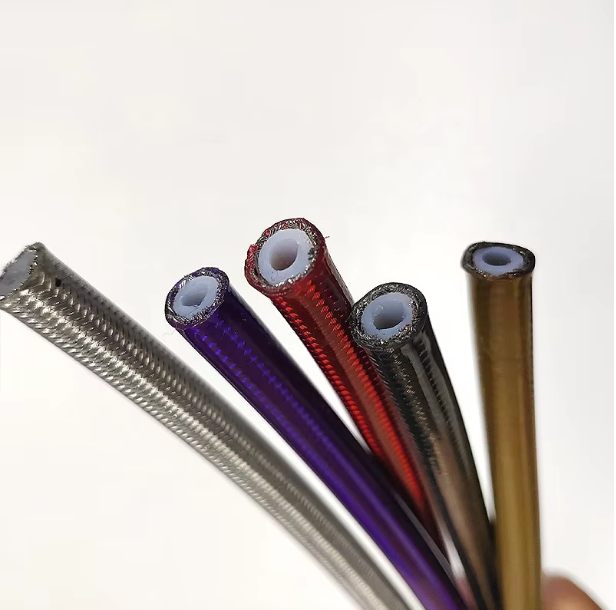
The silicone tube has become an indispensable component across numerous industrial sectors due to its exceptional material properties and versatile performance characteristics. From healthcare environments to high-temperature manufacturing processes, silicone tubes deliver reliable fluid transfer, thermal resistance, and biocompatibility that alternative materials struggle to match. Understanding the primary uses of silicone tubes enables engineers, procurement specialists, and facility managers to make informed decisions about material selection and application strategy.
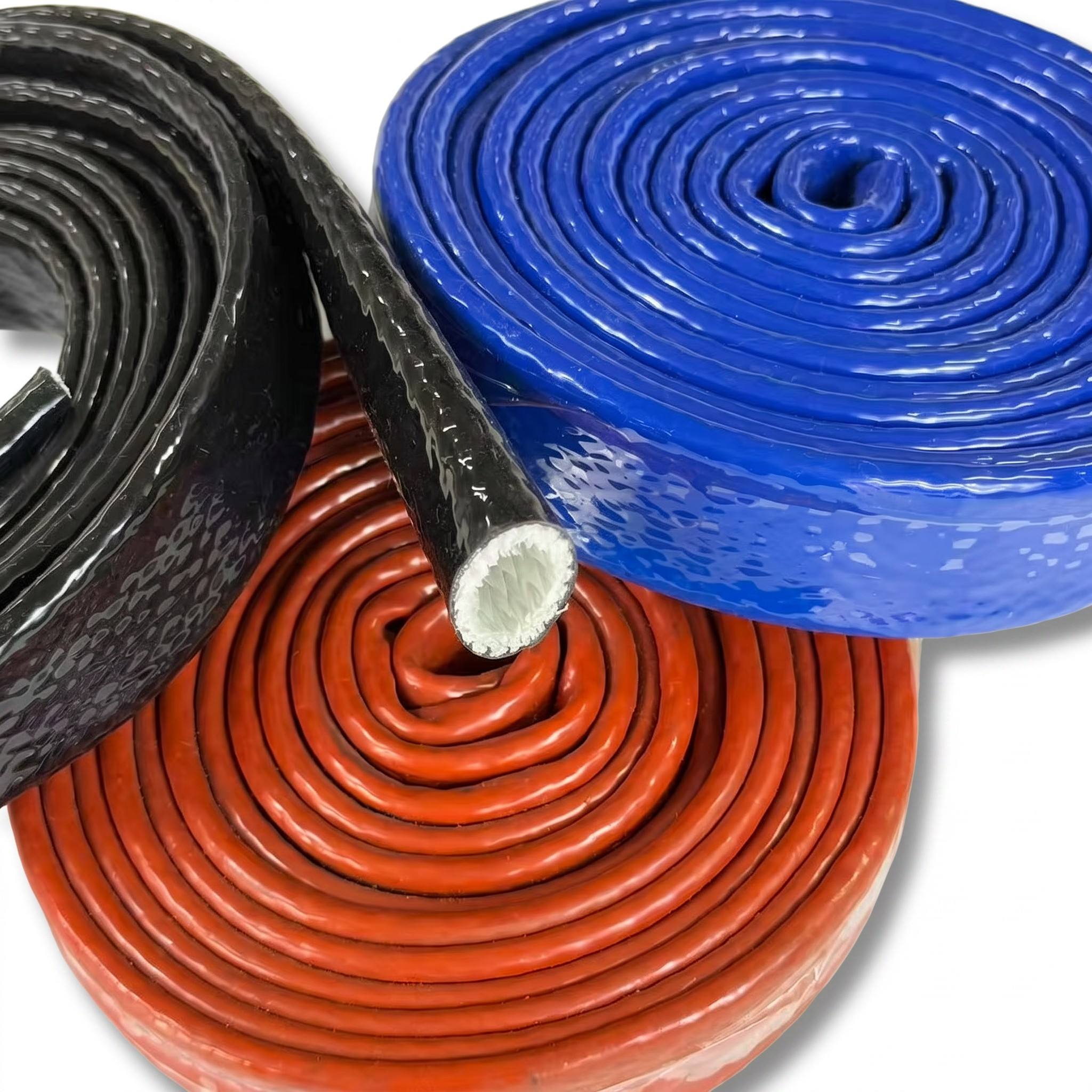
Flexible silicone tubing serves as a critical solution in environments where chemical resistance, temperature stability, and durability are essential requirements. Medical grade silicone hose applications dominate healthcare settings, while industrial-grade variants address manufacturing, food processing, and automotive sectors. High temperature silicone tubing extends functionality into extreme thermal conditions where conventional plastics and rubber compounds fail. This comprehensive guide explores the major industrial applications that drive demand for silicone tube technology and explains why specific properties make them the preferred choice for demanding environments.
Medical grade silicone hose represents the cornerstone of modern healthcare equipment design. These tubing components connect diagnostic instruments, fluid delivery systems, and implantable devices with absolute reliability and safety compliance. The biocompatibility of medical grade silicone hose means it poses no toxicity risk to human tissue, making it suitable for applications involving direct or indirect patient contact. Peristaltic pumps, dialysis machines, and respiratory equipment all depend on the consistency and safety that medical grade silicone hose provides. Regulatory bodies including the FDA and ISO 10993 establish strict material requirements that only pharmaceutical-grade silicone meets, ensuring patient protection and equipment performance.
Hospitals and clinical laboratories utilize flexible silicone tubing for blood collection, medication delivery, and surgical drainage applications. The transparent or translucent nature of many silicone tube variants allows visual monitoring of fluid flow and contamination detection. Unlike rubber compounds, silicone does not leach chemicals into sensitive medications or biological samples, preserving sample integrity and treatment efficacy. Sterilization compatibility is another critical advantage; medical grade silicone hose withstands repeated autoclave cycles, gamma radiation exposure, and ethylene oxide sterilization without degradation. This reusability extends equipment lifespan and reduces healthcare facility operational costs.
High temperature silicone tubing enables reliable operation in manufacturing facilities where equipment regularly reaches extreme thermal conditions. Chemical plants, steel production facilities, and electronic component manufacturers all rely on high temperature silicone tubing to withstand continuous exposure to heat without softening, melting, or degrading. The thermal stability of high temperature silicone tubing supports applications ranging from steam delivery systems to thermal fluid circulation in industrial ovens. Unlike standard rubber hoses, silicone tube materials maintain structural integrity across temperature ranges exceeding 200 degrees Celsius, preventing unexpected equipment failures that disrupt production schedules. Reinforced variants of high temperature silicone tubing add mechanical strength, enabling use in pressure-based thermal transfer systems.
Flexible silicone tubing excels in food and beverage processing environments where chemical resistance and contamination prevention are paramount. The non-reactive nature of silicone prevents flavor transfer or chemical interaction with processed products, maintaining product quality and safety standards. Breweries, dairy processing facilities, and pharmaceutical manufacturing plants specify flexible silicone tubing for ingredient transfer, cooling systems, and waste handling. The material's resistance to acids, bases, and organic solvents makes it compatible with diverse processing chemicals that would degrade conventional rubber or plastic tubing. Food-grade certifications ensure that flexible silicone tubing meets health department requirements and consumer safety standards across regulated food production environments.
Automotive manufacturers increasingly specify high temperature silicone tubing for engine coolant circulation, vacuum systems, and fuel vapor transfer within engine compartments. The extreme thermal cycling in modern engine designs exceeds the operating range of traditional rubber hoses, making silicone tube alternatives necessary for reliability and longevity. Silicone tube materials provide superior ozone and ultraviolet resistance compared to natural or synthetic rubber, extending service life in challenging under-hood environments. Manufacturers appreciate the reduced maintenance intervals and warranty claim reduction achieved through silicone tube adoption in critical engine systems.
Aerospace engineering relies on high temperature silicone tubing for pneumatic systems, hydraulic fluid transfer, and environmental control applications where performance boundaries cannot be compromised. The lightweight nature of silicone tube assemblies reduces overall aircraft weight without sacrificing reliability or safety margins. Military and commercial aircraft specify aerospace-grade variants that meet stringent testing protocols and catastrophic failure prevention requirements. Space applications, high-altitude testing equipment, and specialized military systems all depend on silicone tube technology to maintain function across extreme temperature, pressure, and environmental stress conditions that terrestrial applications never encounter.
Medical grade silicone hose undergoes rigorous testing for biocompatibility, chemical extraction, and toxicity according to ISO 10993 and FDA standards. Standard silicone tubes may contain additives or processing residues that pose health risks in clinical contexts. Medical grade silicone hose must maintain sterility compatibility, resist multiple sterilization cycles, and demonstrate consistent performance across extended storage periods without material degradation or contamination risk.
High temperature silicone tubing maintains structural integrity up to approximately 260 degrees Celsius for continuous exposure and can briefly tolerate intermittent exposure to 300 degrees Celsius or higher depending on formulation and reinforcement. Specialized grades with ceramic or fiberglass reinforcement extend upper temperature limits further. Performance depends on pressure levels, chemical environment, and duration of exposure; manufacturers provide detailed thermal performance curves for specific applications and conditions.
Direct replacement requires verification of dimensional compatibility, pressure ratings, and connection fitting standards. Flexible silicone tubing often exhibits different flex characteristics and durometer compared to rubber, potentially affecting system performance. Chemical compatibility must be confirmed since silicone resists some compounds that affect rubber differently. Consulting manufacturer specifications and conducting compatibility testing before replacement ensures optimal system performance and prevents operational disruptions.