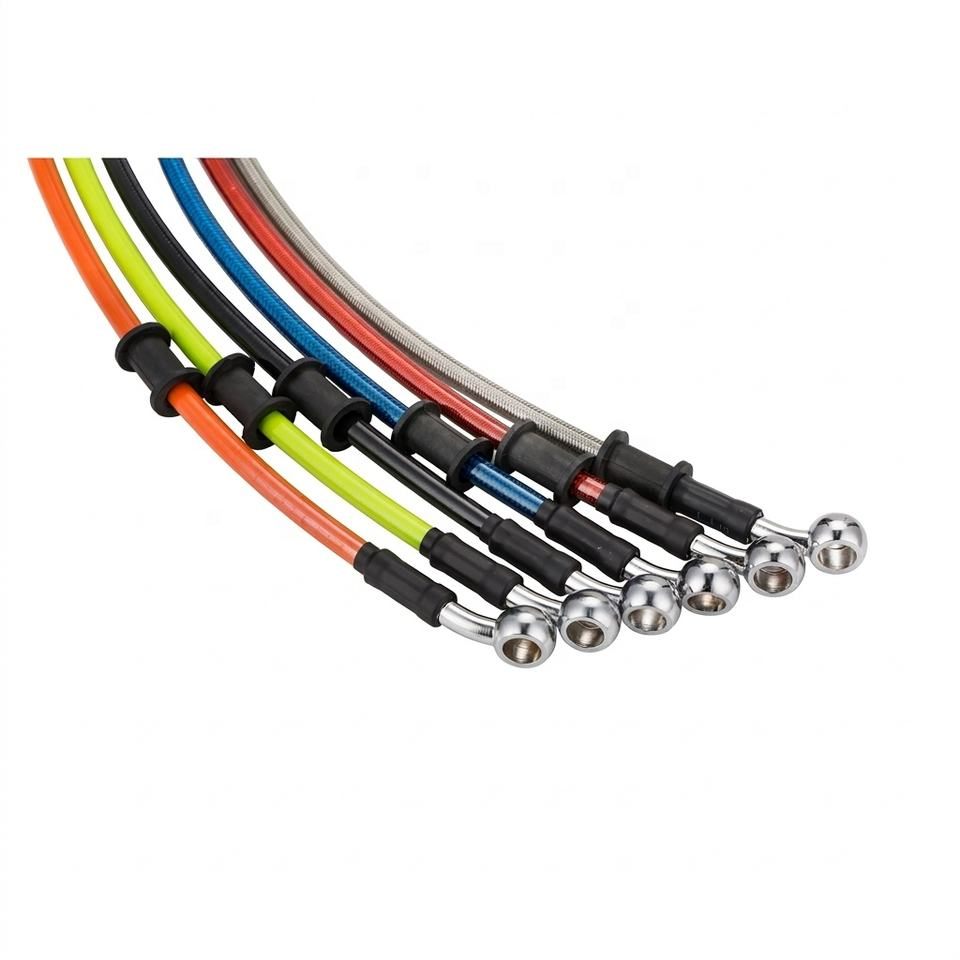
A brake hose is a critical component in your vehicle's hydraulic braking system, responsible for transmitting brake fluid pressure from the master cylinder to the wheel brake calipers or cylinders. Understanding what a brake hose is and how it operates is essential for any vehicle owner concerned with safety and proper brake system maintenance. The brake hose serves as the communication pathway between your brake pedal input and the actual stopping force at your wheels, making it one of the most important safety components in automotive engineering.
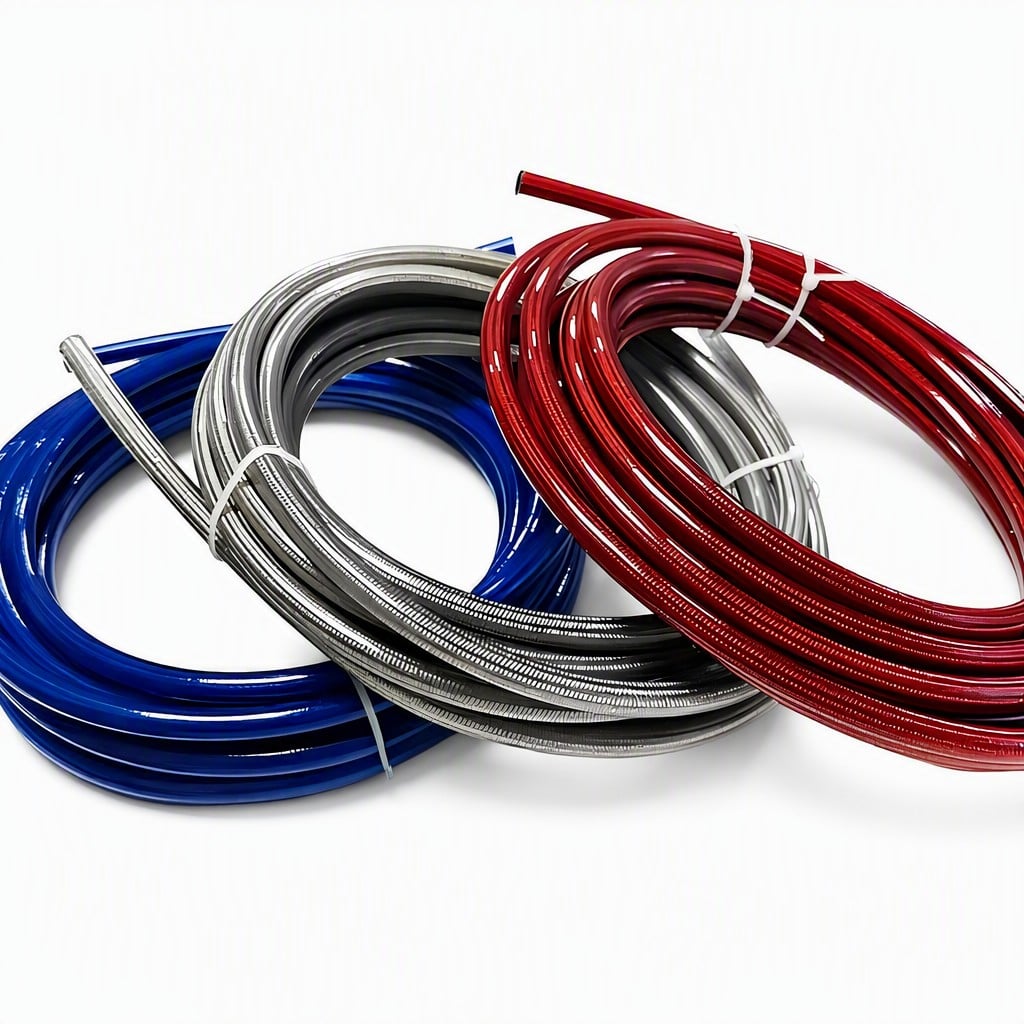
Modern vehicles rely entirely on hydraulic pressure to stop safely, and this pressure travels through specialized tubing and hoses designed to withstand extreme conditions. A properly maintained brake hose ensures consistent stopping power, while a deteriorated or damaged hose can compromise braking performance and create dangerous driving conditions. Regular brake system maintenance, including inspection of hoses and timely brake line replacement, is fundamental to vehicle safety and longevity.
The Structure and Design of Brake Hoses
Material Composition and Construction
Brake hoses are engineered with multiple layers to handle the demanding requirements of hydraulic brake tubing. The inner layer is typically made from synthetic rubber that resists brake fluid deterioration and maintains flexibility under temperature fluctuations. The middle layers consist of reinforced steel wire braiding or synthetic material that provides burst resistance and prevents hose expansion under high pressure. The outer layer protects against abrasion, weather exposure, and physical damage from road debris. This multi-layer construction is what differentiates a quality brake hose from inferior alternatives and why professionals emphasize proper brake line replacement with certified components.
Hose Routing and Connection Points
Brake hoses are strategically routed through your vehicle's frame and suspension to connect fixed brake lines at the master cylinder to the moving brake calipers or wheel cylinders. The routing must allow for suspension movement while maintaining secure connections at both ends. Connectors at the hose terminations use standardized fittings to ensure leak-free assembly and reliable pressure transmission. During brake line replacement or brake system maintenance, proper hose routing is crucial to prevent rubbing, kinking, or exposure to excessive heat sources that could degrade the hose material.
How Hydraulic Brake Tubing Functions in the Braking System
Pressure Transmission and Force Multiplication
When you press the brake pedal, the master cylinder generates hydraulic pressure that travels through brake lines and ultimately through the brake hose to the wheel brake components. Hydraulic brake tubing operates on Pascal's principle, which states that pressure applied to an enclosed fluid is transmitted equally in all directions. A brake hose carries this pressurized fluid to brake calipers in disc brake systems or wheel cylinders in drum brake systems, where the pressure is converted into mechanical force that clamps brake pads against rotors or expands brake shoes against drums. This mechanical advantage is why a light tap on the brake pedal can stop a multi-ton vehicle, and it demonstrates the elegant efficiency of hydraulic brake tubing design.
Response Time and Fluid Dynamics
The immediate response of your braking system depends partly on the quality and condition of your brake hose. Brake fluid travels through the hose nearly instantaneously when pressure is applied, but any degradation, blockage, or leak in the brake hose introduces delay and reduces stopping effectiveness. High-quality brake hoses minimize internal friction and maintain consistent diameter throughout to ensure uniform fluid flow. During brake system maintenance inspections, technicians check for signs of fluid weeping, cracks, or bulging that would compromise the responsiveness of your brakes. Any compromise in hydraulic brake tubing integrity directly affects your ability to stop safely in emergency situations.
Brake System Maintenance and When Replacement is Necessary
Signs of Brake Hose Deterioration
A brake hose typically lasts between three and five years, though this varies based on driving conditions and climate exposure. Environmental factors such as road salt, ozone, and ultraviolet radiation accelerate rubber degradation, making brake line replacement more urgent in harsh climates. Common warning signs include visible cracks or bulges in the hose exterior, soft or spongy brake pedal feel, brake fluid leaks near wheel areas, or reduced braking response. Brake system maintenance checks should include visual inspection of hoses for discoloration, hardening, or deterioration. Some vehicles experience accelerated hose aging in areas with temperature extremes, and owners in these regions should prioritize preventative brake line replacement before failure occurs.
Maintenance Best Practices and Professional Service
Proper brake system maintenance extends the life of your brake hose and ensures consistent safety performance. Brake fluid should be flushed and replaced at manufacturer-recommended intervals, typically every two years, because old brake fluid absorbs moisture that corrodes hose interiors and reduces braking effectiveness. When brake line replacement becomes necessary, using quality hydraulic brake tubing and certified components is non-negotiable for safety. Professional technicians bleed the brake system after replacement to remove air bubbles that would create a spongy brake pedal. Regular visual inspections during routine vehicle maintenance can catch brake hose problems early before they compromise your braking system, preventing expensive emergency repairs and potential safety hazards.
FAQ
What is the difference between a brake hose and a brake line?
A brake hose is a flexible tube made from rubber and reinforced material that carries brake fluid to moving components like calipers, while a brake line is rigid metal tubing that connects the master cylinder to fixed points on the frame. Brake lines handle the main pressure pathways through stationary areas, whereas brake hoses accommodate suspension movement and vibration at the wheels. Both are essential parts of your hydraulic brake tubing system, and brake line replacement often involves replacing both components for complete system integrity.
How often should I have brake system maintenance performed?
Most manufacturers recommend comprehensive brake system maintenance annually or during regular service intervals. This inspection should include visual checks of all brake hoses for cracks, leaks, or deterioration. Brake fluid should be flushed every two years to remove moisture and contaminants that degrade both fluid and hose components. If you drive in severe conditions with extreme temperatures, frequent towing, or mountainous terrain, more frequent brake system maintenance checks are advisable to ensure your hydraulic brake tubing and related components remain in optimal condition.
Can I replace a brake hose myself, or do I need professional service?
While some experienced vehicle owners can perform brake line replacement with proper tools and knowledge, professional service is recommended because improper installation can introduce air into the system or cause leaks that compromise braking safety. Professionals have the equipment to bleed air from the hydraulic brake tubing after installation and can verify that pressure and response feel normal. Mistakes in brake system maintenance can be catastrophic, so unless you have specific training and experience, having a certified technician handle brake line replacement is the safer choice.
 EN