 EN

what-is-a-hydraulic-crimping-machine-and-how-does-it-work, what-is-a-hydraulic-crimping-machine-and-how-does-it-work, /news
EN
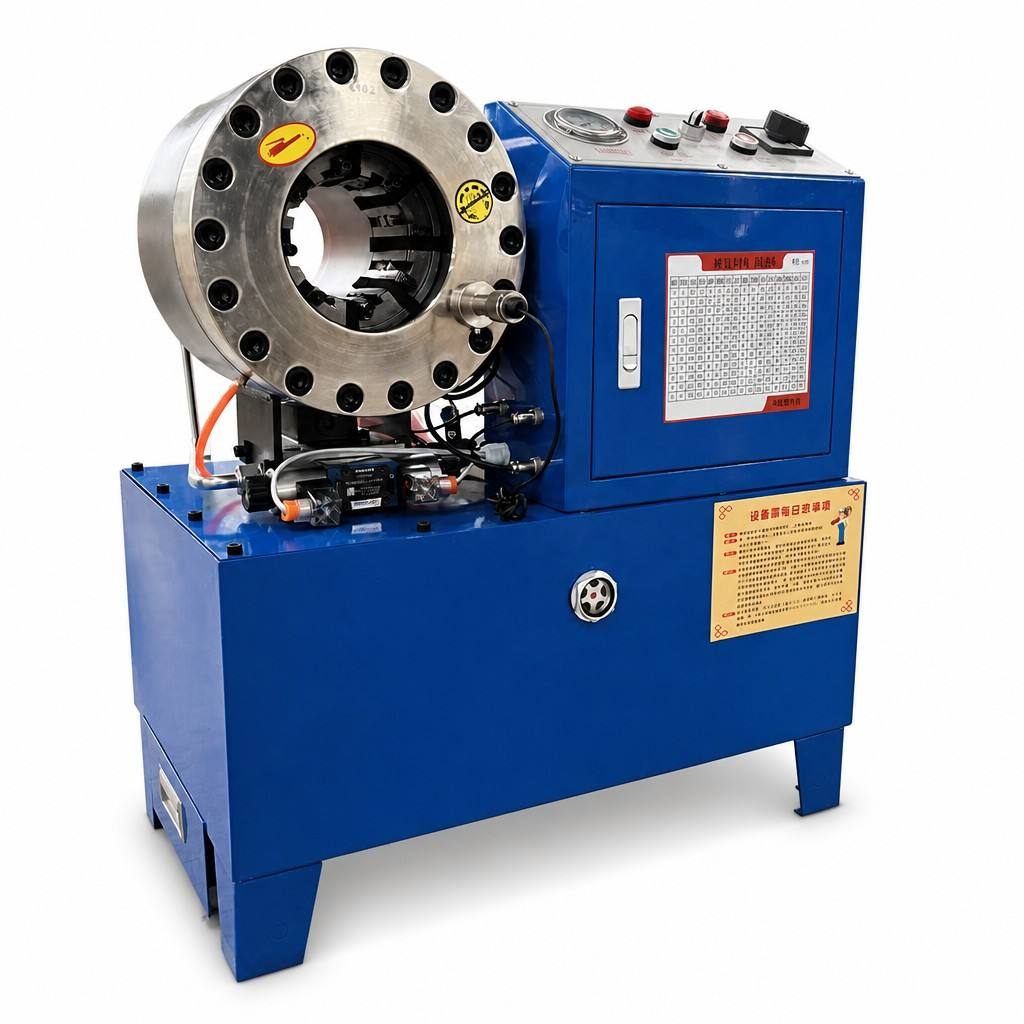
A hydraulic crimping machine is a specialized piece of industrial equipment designed to attach fittings securely to hoses by compressing a ferrule or sleeve onto the hose material under extreme pressure. This process, known as crimping, creates a permanent, leak-proof connection that is essential for hydraulic systems, pneumatic applications, and fluid transfer operations across various industries. Understanding how this equipment operates is crucial for anyone involved in hose assembly, maintenance, or industrial manufacturing.
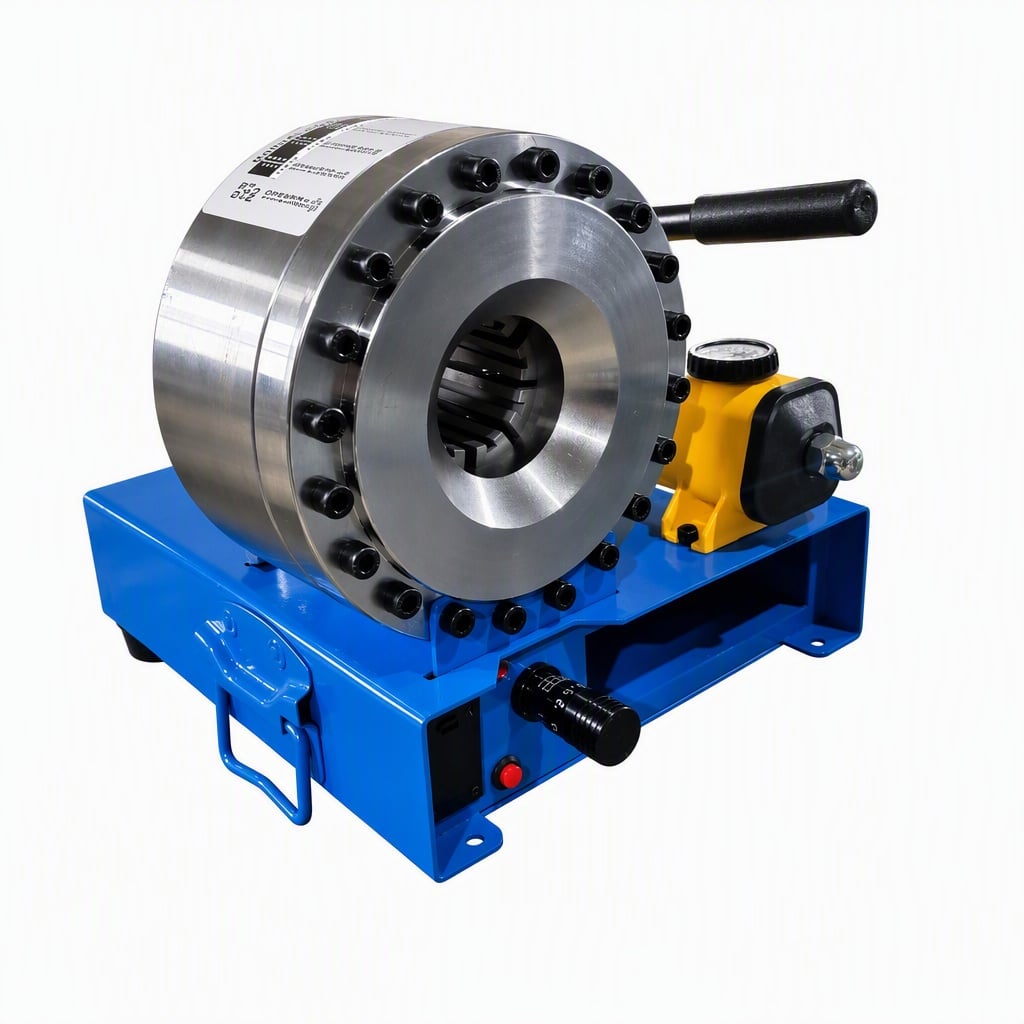
Industrial facilities depend on reliable hose connections to prevent fluid leaks, system failures, and costly downtime. A hydraulic crimper tool enables operators to produce consistently high-quality connections that meet strict industry standards. Unlike alternative fastening methods, crimping creates a bond that eliminates weak points and improves safety and durability in demanding environments.
The hydraulic power system is the heart of every crimping press equipment unit. It consists of a hydraulic pump, motor, fluid reservoir, and pressure control valves that work together to generate and regulate the force needed for crimping operations. The pump draws fluid from the reservoir and pressurizes it to levels typically ranging from 700 to 10,000 PSI, depending on the machine model and fitting size. This pressurized fluid is then directed to a cylinder that drives the die head forward with controlled, consistent force.
Operators can adjust pressure settings on crimping press equipment to accommodate different fitting diameters and hose materials. Pressure relief valves automatically prevent over-pressurization, protecting both the machine and the finished connection. This safety feature ensures that even if an operator selects incorrect settings, the system will not damage the hose or fitting.
The die system is the functional component that directly performs the crimping action. A hose fitting crimper uses interchangeable dies designed specifically for different fitting sizes and types. Each die set includes a stationary lower die and a moving upper die that compress the ferrule to a precise diameter and height. The dies are precision-engineered to ensure uniform compression across the entire ferrule perimeter, which is essential for creating a reliable, leak-proof seal.
Modern hose fitting crimper equipment often features quick-change die systems that allow operators to switch between different fitting sizes without tools or extensive downtime. Gauge systems integrated into the crimping press equipment display the exact die position, ensuring consistent results across multiple assemblies. This repeatability is critical in high-volume production environments where quality and speed are equally important.
Before operating a hydraulic crimping machine, the hose must be properly prepared by cutting it to the correct length and removing any contaminants or debris from the interior. The fitting is then positioned over the hose end, and the ferrule is slid onto the hose to sit just beyond the fitting body. Correct positioning is critical because the ferrule must be compressed uniformly to create a watertight seal without crushing or damaging the hose material itself.
Operators must select the appropriate die set matching the hose and fitting size. A hydraulic crimper tool's gauge system provides visual confirmation that the correct dies are installed. This preparation step is quick but essential for preventing assembly errors that could lead to leaks or system failures in the field.
Once the hose and fitting are correctly positioned in the crimping press equipment, the operator activates the hydraulic system via a foot pedal, hand lever, or electronic control panel. The hydraulic cylinder extends rapidly, driving the upper die downward with tremendous force. The ferrule is squeezed between the upper and lower dies, compressing the metal sleeve tightly around the hose. This compression creates multiple contact points between the ferrule and hose material, effectively locking the fitting in place.
The compression process takes only a few seconds on most hydraulic crimper tool models. Pressure gauges display real-time feedback, allowing the operator to monitor the process and ensure optimal compression force is applied. Once the die reaches the predetermined stroke position, the operator releases the control, and the upper die retracts, leaving the finished assembly ready for testing and installation.
After crimping, the hose fitting crimper produces an assembly that should be visually inspected for consistent ferrule compression height and absence of deformation. Many industrial facilities measure the ferrule height with a depth gauge or specialized measurement tool to verify compliance with industry standards such as SAE or ISO specifications. A properly crimped connection will show uniform surface contact and no visible gaps or protrusions.
Some manufacturing environments employ pressure testing as a final quality check. The assembled hose fitting crimper product undergoes hydrostatic pressure testing to ensure the connection will not leak under operational loads. This rigorous validation ensures that every connection meets performance and safety requirements before leaving the facility.
Hydraulic and pneumatic industries are primary users of crimping press equipment because fluid transmission requires absolutely reliable connections. In construction equipment, manufacturing machinery, and heavy vehicles, high-pressure hydraulic hoses must withstand extreme force, temperature fluctuations, and vibration. A hydraulic crimping machine produces connections rated for pressures exceeding 6,000 PSI, far beyond what other fastening methods can reliably achieve.
Pneumatic applications in food processing, automotive assembly, and air-driven tool systems also depend on secure hose connections. A hose fitting crimper ensures that pneumatic networks maintain precise pressure consistency without gradual leakage that would reduce tool performance or waste compressed air energy.
Automotive technicians and fleet maintenance facilities use crimping press equipment for brake line assembly, power steering hose repair, and air conditioning system maintenance. These applications require connections that are not only leak-proof but also resistant to vibration-induced loosening. A hydraulic crimper tool creates a permanent bond that will not gradually separate even after thousands of operational cycles, making it superior to threaded connections or clamps in vehicle applications.
Large-scale manufacturers producing equipment with complex hydraulic systems rely on crimping press equipment to streamline assembly operations. Production facilities often operate multiple hydraulic crimping machine units in parallel, each configured for specific hose sizes and fitting types. This modular approach maximizes throughput while maintaining strict quality standards across thousands of assembled connections.
A hydraulic crimper tool provides significantly greater force and consistency compared to manual crimpers, air-powered crimpers, or electrical alternatives. Manual tools limit the operator to hand strength and are impractical for large-diameter hoses. Hydraulic systems deliver consistent, repeatable pressure regardless of hose size, ensuring uniform quality across all assemblies. This consistency is essential for mission-critical applications where connection failure could cause safety hazards or expensive equipment damage.
A hydraulic crimping machine typically requires routine maintenance including hydraulic fluid level checks, seal inspection, and die cleaning after every 40 to 80 hours of operation, depending on usage intensity and environmental conditions. The hydraulic pump and motor should be professionally serviced annually or according to the manufacturer's maintenance schedule. Proper maintenance extends equipment life, prevents unexpected breakdowns, and ensures the crimping press equipment continues producing reliable connections throughout its operational lifespan.
Most hydraulic crimping machine models accommodate hose sizes ranging from 1/4 inch up to 2 inches in diameter, with some heavy-duty models handling larger sizes. The specific range depends on the machine's maximum force capacity and available die sets. A comprehensive hose fitting crimper installation will include multiple die sets covering the most common sizes used in the facility's typical applications, allowing operators to work efficiently without changing machines.
