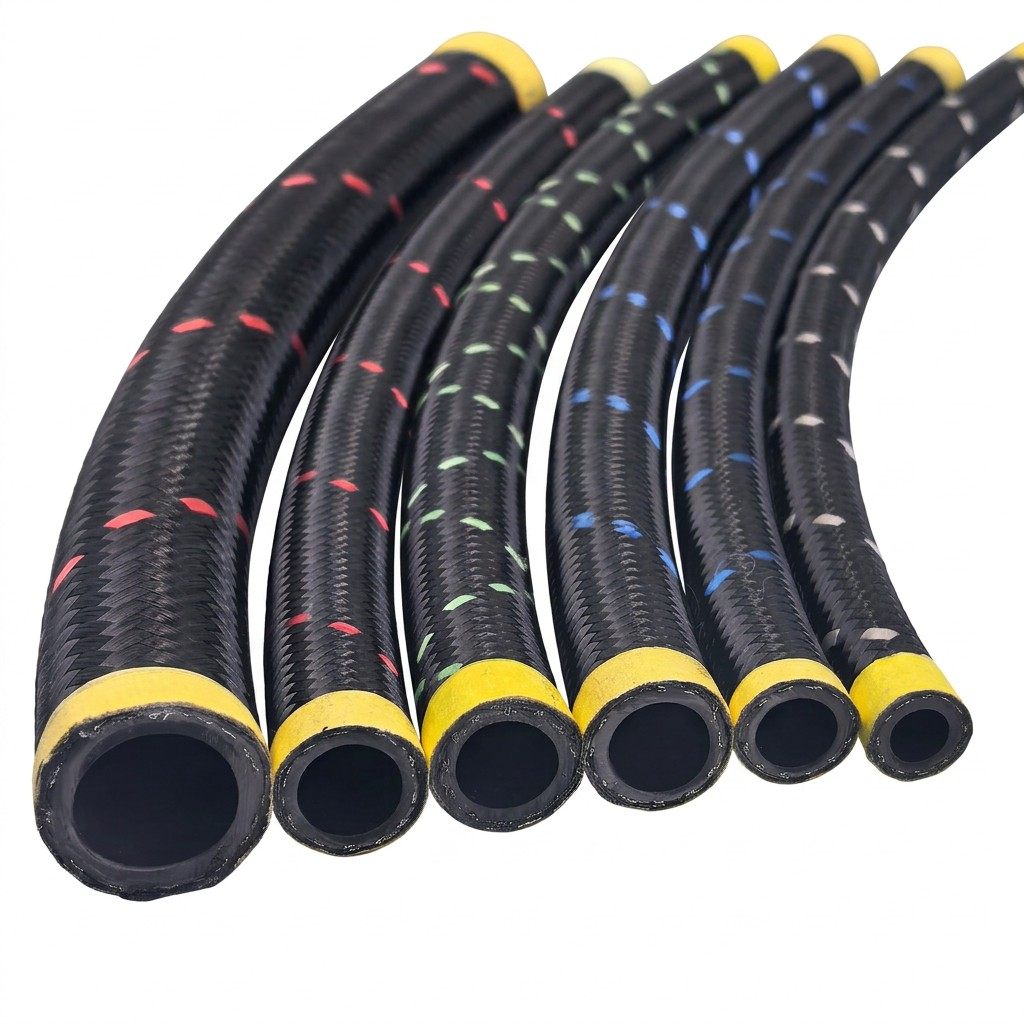
An industrial hose is engineered to withstand extreme conditions, high pressures, and aggressive substances in manufacturing, construction, and fluid transfer operations. Understanding the materials that make up these critical components is essential for selecting the right solution for your application. The composition of an industrial hose directly determines its durability, performance, and lifespan in demanding environments. Different industries require different material combinations, and the wrong choice can lead to premature failure, safety hazards, and costly downtime.
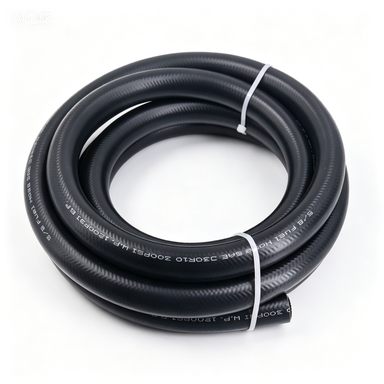
Industrial hoses are not simple tubes. They are complex assemblies made from multiple layers, each serving a specific function. The inner tube must resist the fluid being conveyed, the reinforcement provides structural strength, and the outer cover protects against environmental damage. This article explores the primary materials used in industrial hose construction, from elastomers to specialized reinforcements, and explains how each material contributes to overall performance and reliability in industrial settings.
Inner Tube Materials and Elastomer Selection
Synthetic Rubber and Elastomer Compounds
The inner tube of an industrial hose is typically made from synthetic rubber or elastomer compounds engineered to resist specific fluids and temperatures. Nitrile rubber is one of the most common choices for general-purpose applications, offering excellent resistance to oil, fuel, and water. Ethylene propylene rubber provides superior heat resistance and is often selected for steam and hot water applications. EPDM rubber excels in ozone and weather resistance, making it ideal for outdoor industrial environments. Each elastomer type has distinct chemical compatibility properties, and selecting the wrong material can result in tube degradation, swelling, or brittleness.
Chemical Resistant Tubing Solutions
For applications involving corrosive chemicals, chemical resistant tubing becomes critical. Viton fluoroelastomer offers exceptional resistance to aggressive solvents, acids, and bases that would quickly destroy standard rubber compounds. Chloroprene rubber provides good resistance to oils and fuels while maintaining reasonable temperature ranges. PTFE (polytetrafluoroethylene) inner cores are used in specialized applications where chemical compatibility must be absolute, such as in pharmaceutical or chemical processing industries. The choice of chemical resistant tubing directly impacts the hose's ability to safely handle hazardous substances without compromising system integrity or safety.
Reinforcement Layer Materials and Structural Integrity
Wire and Textile Reinforcement
Reinforcement layers determine how much pressure an industrial hose can safely withstand. Steel wire braiding is the most common reinforcement method for high pressure hose systems, providing exceptional tensile strength and pressure rating. Single-wire braiding typically supports moderate pressures, while double or spiral wire braiding enables the hose to handle extreme pressures found in hydraulic applications. Textile reinforcement using polyester or nylon provides flexibility and reduces weight while still offering adequate strength for lower-pressure applications. The number of reinforcement layers directly correlates with the hose's pressure rating and intended application.
Wire and Composite Reinforcement Techniques
Modern industrial hose design often combines different reinforcement methods to optimize performance characteristics. Aramid fiber braiding adds crush and abrasion resistance while maintaining flexibility, making it suitable for hoses subject to mechanical stress. Spiral wire configurations offer uniform pressure distribution and superior burst ratings compared to traditional braiding. Hybrid reinforcement, combining steel wire with textile layers, provides balanced strength and flexibility for demanding applications. Understanding these reinforcement options is essential when specifying a hydraulic hose assembly that must meet specific pressure ratings and flexibility requirements.
Outer Cover Materials and Environmental Protection
Cover Compounds for Durability
The outer cover of an industrial hose protects the inner layers from UV radiation, ozone, mechanical abrasion, and environmental contaminants. Neoprene and nitrile rubber covers provide basic protection for general industrial use, offering good resistance to oil and moderate weather exposure. Oil-resistant covers specifically formulated with nitrile compounds prevent degradation when the hose comes into contact with mineral oils and hydraulic fluids. For applications requiring enhanced durability, chloroprene covers deliver superior ozone and weather resistance, extending the hose's service life in outdoor or harsh industrial environments.
Specialized Outer Cover Applications
Certain industrial applications demand specialized outer cover materials beyond standard rubber compounds. PTFE covers provide extreme chemical resistance and are essential for hoses conveying aggressive solvents or corrosive substances in chemical processing. Anti-static covers prevent electrical charge buildup, making them critical for fuel transfer and explosive-atmosphere applications. Heat-resistant covers incorporating specialized elastomers protect the hose inner structure from high-temperature environments where standard rubber would fail. Industrial hose assemblies used in specialized chemical resistant tubing applications often require outer covers engineered specifically for the conveyed fluid and operating environment.
FAQ
What factors determine which materials are best for my industrial hose application?
The ideal materials depend on several factors including the fluid being conveyed, operating pressure and temperature range, environmental exposure, and required flexibility. Hydraulic hose assembly specifications must match both the hydraulic fluid type and the pressure rating of your system. Chemical resistant tubing applications require careful material selection to ensure compatibility with aggressive substances. Consulting application-specific guidelines and material compatibility charts helps ensure you select an industrial hose with the right material composition for reliable long-term performance.
How do I know if a high pressure hose system has adequate reinforcement?
The reinforcement adequacy is determined by the hose's pressure rating, which should match or exceed your system's maximum operating pressure. High pressure hose systems typically require multiple layers of steel wire braiding or spiral wire configuration to safely contain pressurized fluids. Check the manufacturer's specifications and pressure rating documentation to confirm the reinforcement meets your application requirements. Using a high pressure hose system rated below your system's maximum operating pressure creates serious safety risks and potential catastrophic failure.
Can industrial hose materials be reused or recycled?
Individual materials within an industrial hose such as rubber and metal components can sometimes be recovered for recycling, but the hose assembly itself cannot be reused for its original pressure or chemical conveyance application. Once an industrial hose reaches end of service life, it should be disposed of according to environmental regulations and industry guidelines. Some manufacturers offer take-back programs or partnerships with recycling facilities to properly handle used hose assemblies and recover usable materials where possible.
 EN