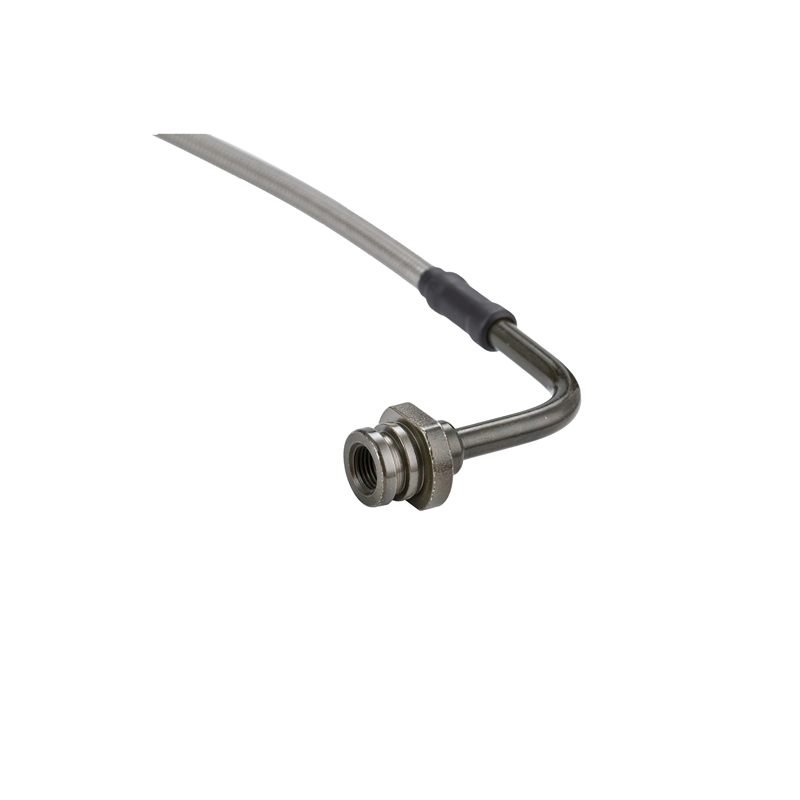
Selecting the right pressure rating for a custom brake hose is critical to vehicle safety and braking system reliability. Every hydraulic brake system operates under specific pressure conditions, and your custom brake hose must be engineered to withstand those forces without failure. Understanding pressure ratings helps you make informed decisions when upgrading or replacing brake lines, whether you're building a performance vehicle or maintaining a fleet.
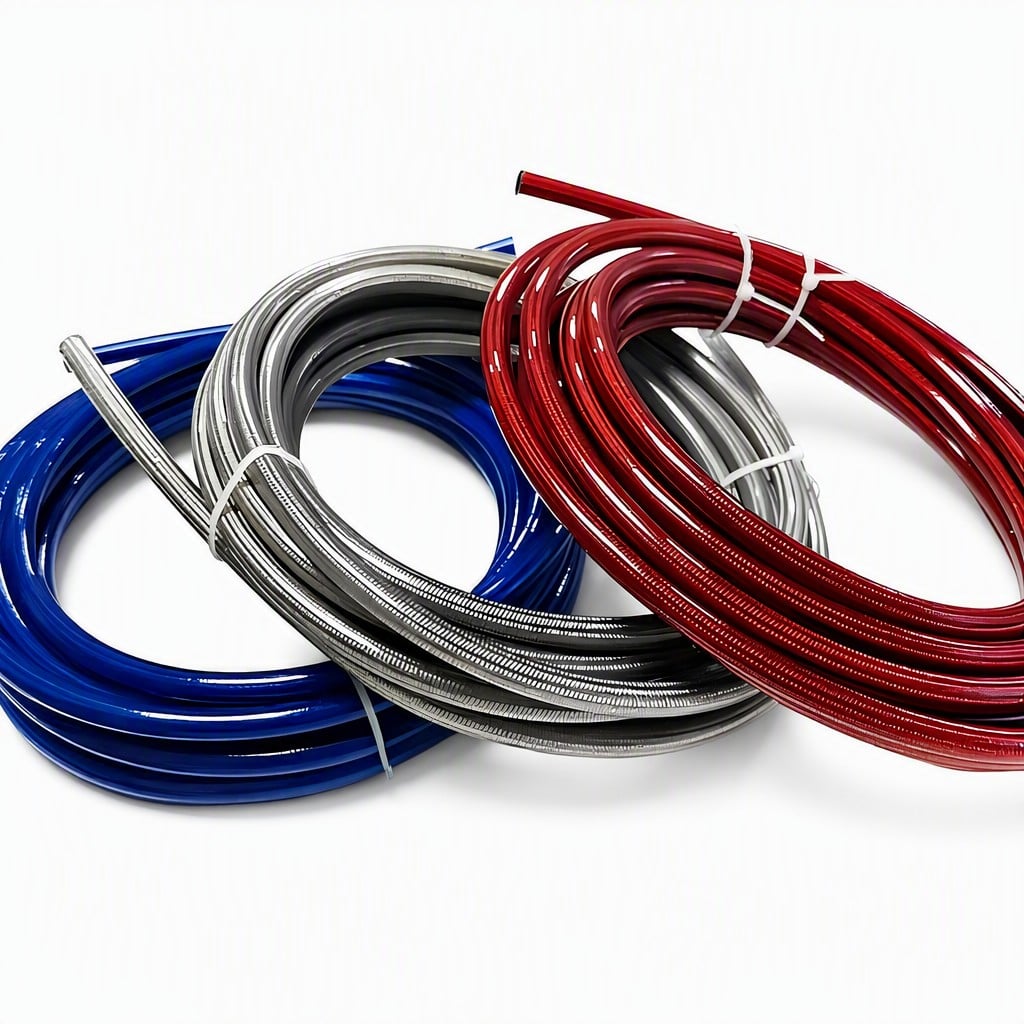
Brake pressure ratings are determined by vehicle type, braking application, and DOT standards that govern hydraulic brake tubing for the aftermarket. A custom brake hose rated too low can rupture under heavy braking, while one rated too high may be unnecessarily expensive or oversized. Learning the fundamentals of pressure requirements ensures your brake system performs reliably and meets safety regulations.
Standard Pressure Requirements for Brake Systems
Typical Operating Pressures in Modern Vehicles
Most automotive brake systems operate between 800 and 1200 pounds per square inch (PSI) during normal braking conditions. This range covers passenger cars, light trucks, and many performance vehicles. However, heavy-duty applications, racing machines, and vehicles with advanced anti-lock braking systems (ABS) can generate pressures exceeding 1500 PSI. Understanding your vehicle's baseline pressure helps determine what braided brake lines or standard hydraulic brake tubing specifications your system truly needs.
DOT brake hose specifications establish minimum burst pressure requirements that far exceed normal operating pressures. A hose rated for 2000 PSI working pressure must have a burst strength of at least 4000 PSI, providing a 2:1 safety margin. This safety factor protects drivers from sudden brake failure if a hose becomes weakened, contaminated, or aged. When upgrading to braided brake lines or reinforced tubing, verify that the product meets or exceeds these DOT brake hose specifications and your vehicle manufacturer's pressure recommendations.
Performance and Racing Brake Pressure Demands
Performance vehicles and track-focused builds often require higher-pressure brake systems due to increased stopping power, lighter brake bias adjustments, and repeated hard braking cycles. Racing applications frequently demand custom brake hose assemblies rated for 3000 to 5000 PSI working pressure. High-performance hydraulic brake tubing must also resist temperature cycling, pressure spikes, and chemical degradation from advanced brake fluids. Selecting braided brake lines specifically designed for racing ensures your braking system remains responsive and safe throughout extended track sessions.
Pressure Rating Standards and Regulations
DOT Brake Hose Specifications and Certification
The U.S. Department of Transportation (DOT) sets rigorous standards for hydraulic brake tubing and hose assemblies through FMVSS 106 regulations. All DOT brake hose specifications require hoses to withstand minimum burst pressures of 3000 PSI for automotive applications, with working pressure limits typically set at 1500 PSI. DOT certification ensures that braided brake lines and custom brake hose products have been tested for pressure integrity, temperature resistance, and compatibility with DOT-approved brake fluids. When purchasing replacement or upgrade hoses, always verify DOT certification to confirm compliance with safety standards.
Different vehicle classes and braking systems have distinct DOT brake hose specifications. Heavy commercial trucks may require different pressure ratings than passenger sedans, and ABS-equipped vehicles have unique requirements compared to non-ABS systems. Your vehicle's owner manual or service documentation specifies the exact pressure class needed for your hydraulic brake tubing. Aftermarket custom brake hose products must explicitly state their DOT rating and pressure class to ensure compatibility with your system.
Pressure Rating Markings and Identification
All braided brake lines and professional-grade hydraulic brake tubing must display clear pressure ratings, DOT certification marks, and manufacturing dates. Pressure ratings are typically printed on the hose itself, indicating working pressure and burst pressure in PSI. Understanding these markings helps you verify that a custom brake hose meets your system's requirements before installation. Hoses without clear DOT certification, pressure ratings, or legible markings should be avoided, as they may not meet safety standards and could compromise braking performance.
Selecting the Right Pressure Rating for Your Application
Matching Pressure Ratings to Vehicle Type and Use
Choosing an appropriate pressure rating for your custom brake hose depends on vehicle weight, braking system type, intended use, and any performance modifications you plan. Standard street vehicles typically require hoses rated for 1500 to 2000 PSI working pressure, making DOT-certified braided brake lines or standard hydraulic brake tubing suitable for most applications. Performance street cars may benefit from 2500 to 3000 PSI rated hoses, while racing vehicles often require 3500 to 5000 PSI rated assemblies. Consulting your vehicle manufacturer's specifications and your brake system builder ensures you select a custom brake hose with adequate safety margin for your intended driving conditions.
Temperature cycling also influences pressure rating selection. Brake systems that experience extreme heat, such as track-driven vehicles or vehicles with high-performance brake components, may require custom brake hose products engineered to maintain integrity across wider temperature ranges. Braided brake lines typically offer better thermal stability than traditional rubber hoses, making them ideal for high-heat applications. DOT brake hose specifications account for thermal stress, but selecting hoses rated above your calculated maximum pressure provides additional safety when temperatures fluctuate dramatically.
Future-Proofing Your Brake System
Selecting a custom brake hose with pressure ratings higher than your current system requirements allows for future upgrades without needing to replace hose assemblies. If you plan to upgrade brake components, switch to a larger bore master cylinder, or modify your braking system, installing braided brake lines or hydraulic brake tubing rated for higher pressures ensures your investment remains relevant. This approach is especially valuable for performance enthusiasts who may continuously refine their vehicles. Verifying DOT brake hose specifications that exceed your anticipated future needs provides flexibility and cost savings over the life of your vehicle.
FAQ
What happens if a custom brake hose is rated below the system pressure?
A custom brake hose rated below your system pressure will rupture or fail under normal braking conditions, potentially causing complete brake failure. This creates an extreme safety hazard and can lead to accidents. Always verify that braided brake lines and hydraulic brake tubing are rated equal to or higher than your vehicle's maximum system pressure, and confirm DOT brake hose specifications match your requirements.
Can braided brake lines handle all pressure ratings equally well?
Not all braided brake lines are created equal. While braiding improves pressure handling and safety compared to rubber hoses, the pressure rating depends on the internal tubing material, braid count, and manufacturing quality. Professional-grade custom brake hose products from reputable manufacturers offer consistent DOT brake hose specifications and reliable performance, while lower-quality alternatives may fail prematurely even if they claim the same pressure rating.
How often should I check or replace a custom brake hose for pressure integrity?
Visual inspection during regular maintenance helps identify cracks, bulges, or leaks in custom brake hose assemblies. Most DOT-certified braided brake lines and hydraulic brake tubing last the lifetime of your vehicle if properly maintained, though extreme heat, UV exposure, or harsh chemicals can degrade them. If you notice any signs of damage, fluid seeping, or pressure loss in your braking system, inspect your custom brake hose immediately and replace it if necessary to maintain safety.
 EN