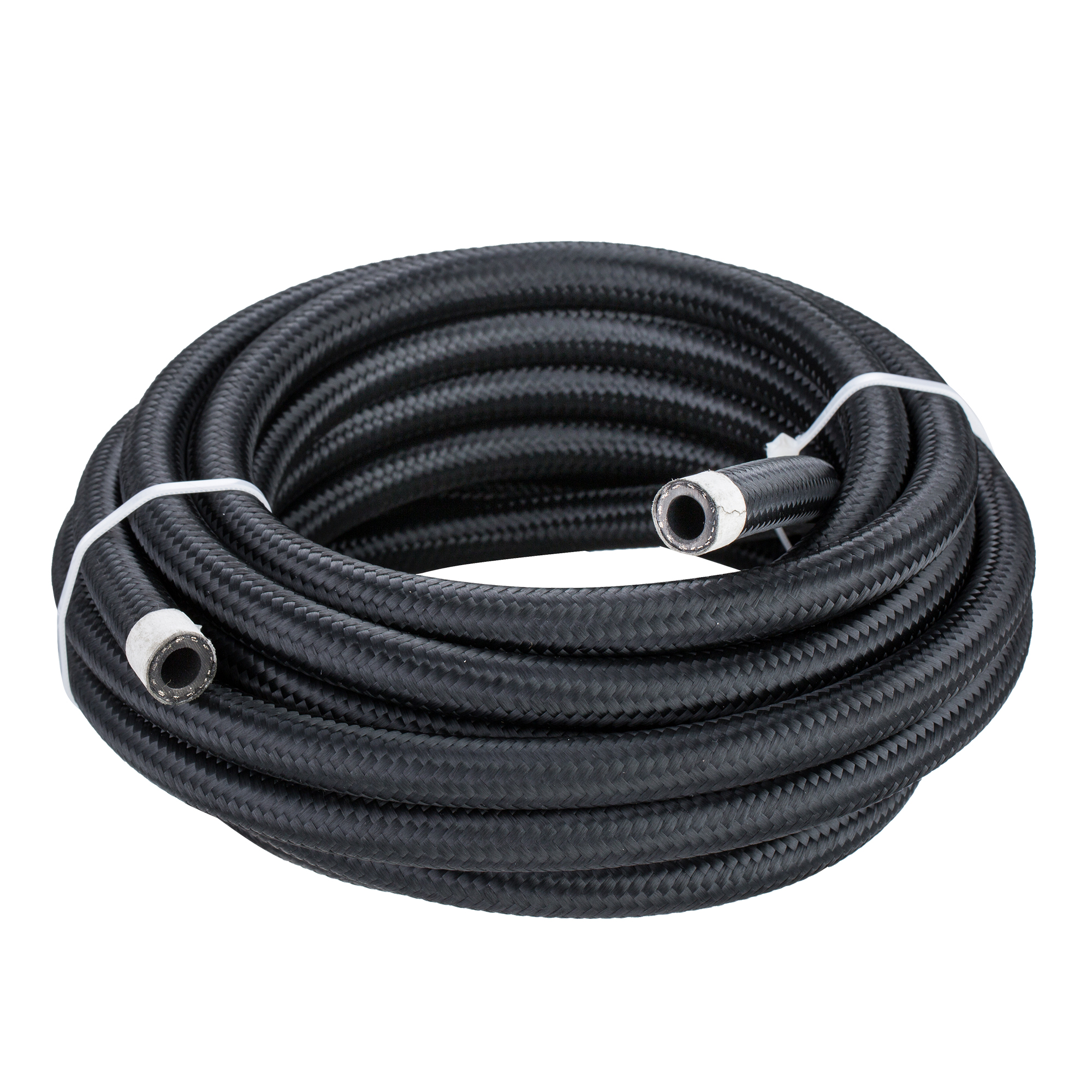
Identifying damage in a braided hose is essential for maintaining safe and efficient hydraulic, brake, and fuel line systems. Whether you operate industrial machinery, manage a fleet of vehicles, or maintain specialized racing equipment, early detection of hose deterioration can prevent catastrophic failures, system downtime, and safety hazards. Braided hoses are engineered to withstand extreme pressures and temperatures, yet they remain vulnerable to wear, abrasion, age-related degradation, and physical damage that can compromise system integrity.
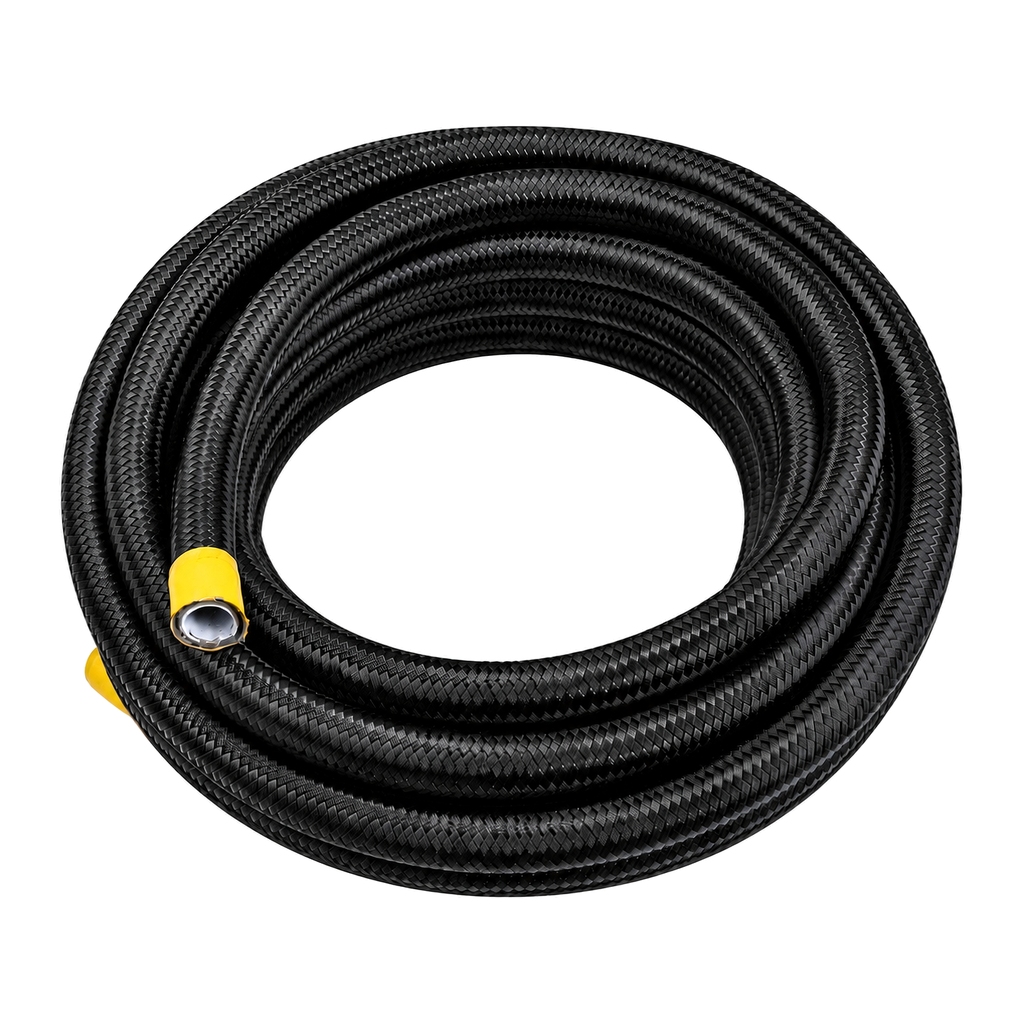
Understanding the common warning signs of braided hose failure enables proactive maintenance and replacement before leaks develop or system collapse occurs. This guide covers the key visual, audible, and performance indicators that signal a braided hose requires immediate inspection or replacement, helping you protect your equipment investment and operational continuity.
Visual Inspection for Braided Hose Deterioration
External Braid and Coating Damage
The outer braided layer of a stainless steel braided hose or reinforced hose serves as the primary protection against punctures, cuts, and environmental exposure. Inspect the surface carefully for visible fraying, unraveling threads, or separated braiding strands. Small cuts, abrasions, or scuffs in the outer braid may appear minor but can allow moisture, dirt, and contaminants to penetrate the reinforcement layers. Over time, these compromised areas become pathways for accelerated corrosion and internal deterioration. Look for discolored patches, crystalline deposits, or white powdery residue that may indicate chemical attack or salt corrosion on stainless steel components.
Swelling, Bulges, and Deformation
Abnormal bulging or ballooning along the hose length is a serious warning sign that internal pressure has exceeded design limits or material elasticity has failed. A braided brake hose or braided hydraulic hose displaying localized swelling suggests the inner tube has weakened or the reinforcement braiding has lost its structural integrity. Conversely, flat spots, visible creasing, or permanent deformation indicates the hose has been kinked, crushed, or stored improperly. These deformations restrict fluid flow, increase turbulence, and create stress concentration points where rupture is likely to initiate. Always replace deformed hoses immediately rather than attempting to straighten or repair them, as the material memory is permanently altered.
Leakage and Fluid Seepage Symptoms
Active Dripping and Spray Patterns
The most obvious sign of braided hose failure is fluid leakage. Even tiny pinhole leaks or slow dripping around connection points signal deterioration and demand urgent action. In pressurized systems, a small leak under operating conditions can rapidly expand and cause catastrophic spray or gushing failure. Inspect connection fittings, ferrules, and crimped areas meticulously, as these joints are frequent failure sites where stress concentrates. A braided hydraulic hose under pressure will display spray patterns radiating outward if internal rupture occurs, while a braided brake hose leak may appear as slow dripping at rest but accelerate dramatically during braking cycles when pressure peaks. Use an absorbent material like paper towels to identify faint weeping around suspect areas during system operation.
Discoloration and Staining Around Hose Sections
Stains, wet marks, or dark discoloration on the outer surface or surrounding components indicate internal fluid escape through micro-fractures or material porosity. Even if no visible droplets are present, persistent dampness around the hose suggests chronic seepage that will eventually worsen. Grease stains, oil films, or hydraulic fluid residue on the hose exterior or mounting brackets point to slow leakage that may have gone unnoticed during routine checks. This early seepage phase represents a critical window for preventive hose replacement before complete failure occurs.
Performance Degradation and System Changes
Pressure Loss and Reduced System Response
In brake systems, a braided brake hose with internal damage may cause soft, spongy pedal feel, increased stopping distance, or delayed brake engagement even when fluid level remains adequate. In hydraulic equipment, failed hoses manifest as sluggish actuator response, slower cylinder extension, or inability to maintain rated system pressure. Pressure gauges on equipment incorporating stainless steel braided hose or other reinforced lines will show declining readings if hose degradation allows internal leakage past seals or through micro-ruptures. These performance changes often precede visible external damage, making them valuable early-warning indicators for operators trained to recognize abnormal equipment behavior.
Unusual Sounds and Temperature Changes
Hissing, whistling, or spray sounds emanating from hose sections indicate high-pressure fluid escaping through cracks or weak points. A braided hydraulic hose near rupture may produce whining or squealing noises as fluid jet escapes intermittently. Conversely, abnormally hot hoses suggest internal turbulence from obstructions, restrictions caused by internal tube degradation, or friction from excessive hose movement. Feel the surface temperature cautiously during system operation; areas hotter than normal indicate concentrated stress or internal wear. Chemical smell, particularly for hydraulic systems, suggests fluid oxidation and breakdown accelerated by internal contamination flowing through damaged hose sections.
Age-Related and Environmental Damage Indicators
Time-Based Material Fatigue
Even without visible damage, most braided hoses have finite service lives determined by material chemistry, operating conditions, and stored energy cycles. Rubber inner tubes degrade through oxidation and exposure to ozone, sunlight, and extreme temperatures. Over five to ten years, depending on environmental conditions, elastomers lose flexibility and become brittle. Inspect older installations with heightened scrutiny, prioritizing replacement of hoses approaching or exceeding manufacturer age recommendations. A braided hose that has served fifteen years in harsh industrial conditions or racing applications deserves preventive replacement regardless of current appearance, as internal degradation may be advanced despite external integrity.
Environmental and Contamination Effects
Hoses exposed to UV radiation develop surface cracking, color fading, and loss of outer layer integrity. Proximity to aggressive chemicals, caustic cleaners, or solvent baths accelerates rubber degradation and braid corrosion. Salt spray in marine or coastal applications promotes stainless steel braided hose corrosion and fastener failure. Inspect hoses for cracks, crazing patterns, or white stress marks indicating material embrittlement. A braided brake hose or braided hydraulic hose installed near hot engine components, exhaust systems, or high-temperature equipment zones experiences accelerated aging and deserves more frequent inspections than protected installations.
FAQ
How often should I inspect braided hoses for damage signs?
Inspect critical braided hose systems monthly in vehicles and equipment under heavy use, and quarterly for standard industrial applications. More frequent inspection is warranted for racing equipment, marine systems exposed to salt spray, or installations in extreme temperature environments. Always perform thorough inspection before seasonal operation changes or after any incident involving pressure spikes, impact, or thermal shock.
Can a small leak in a braided brake hose be safely repaired temporarily?
No temporary repairs are safe for braided brake hoses or pressurized hydraulic systems. Even minor leaks in a braided brake hose indicate structural compromise and demand complete hose replacement. Temporary patches, tape, or sealants fail unpredictably under pressure, creating brake failure or system collapse risks. A stainless steel braided hose showing any seepage should be removed and replaced immediately with a new component rated for system pressure and temperature specifications.
What should I do if I discover damage to a braided hydraulic hose during inspection?
Immediately depressurize the system, isolate the damaged braided hydraulic hose by shutting relevant valves or disconnecting the circuit, and replace the hose with an equivalent rated component. Do not attempt to dry the hose, reuse fittings, or operate the system with compromised hoses. Document the failure mode, photograph the damage, and retain the failed hose for analysis to prevent recurrence in other system sections or similar equipment.
 EN