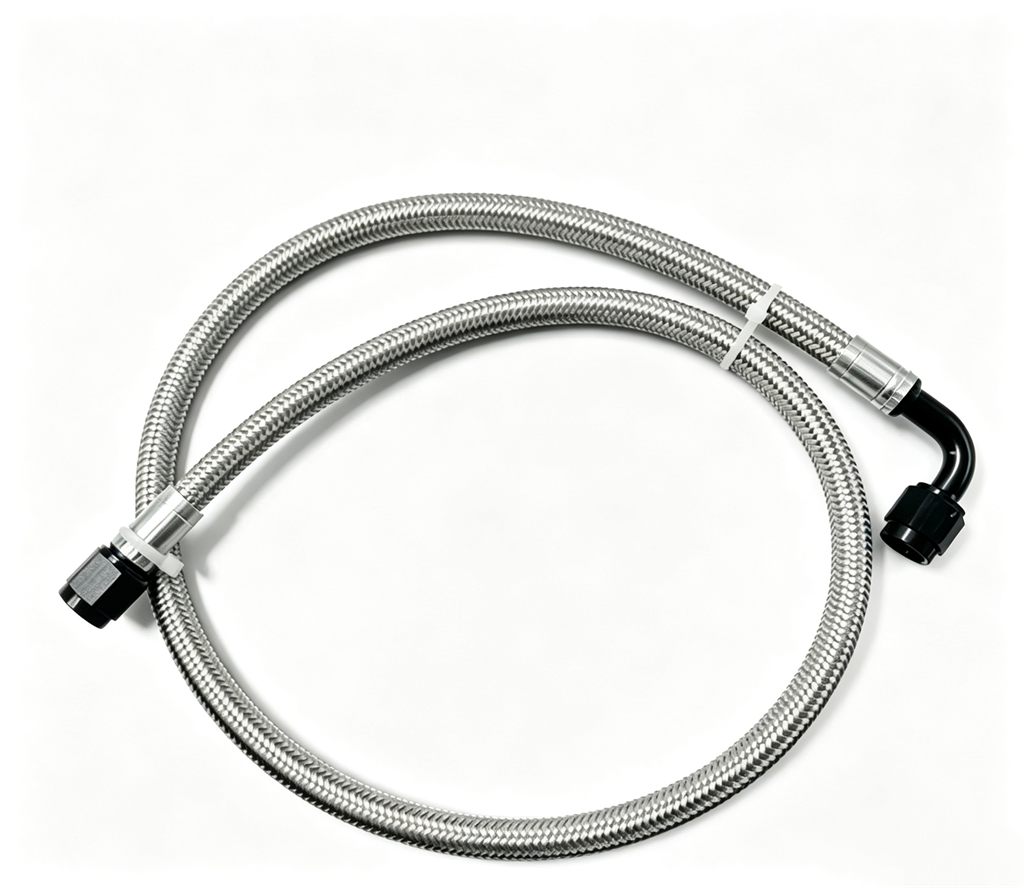
An oil cooler should have a pressure rating that safely covers the highest pressure its circuit can experience, including brief spikes—not just its usual operating pressure. The right rating depends on the fluid, pump, temperature, fittings, and the vehicle or machine’s pressure limits. An engine oil cooler and a transmission oil cooler may serve similar heat-control goals, but their circuits can have different pressure conditions and requirements.
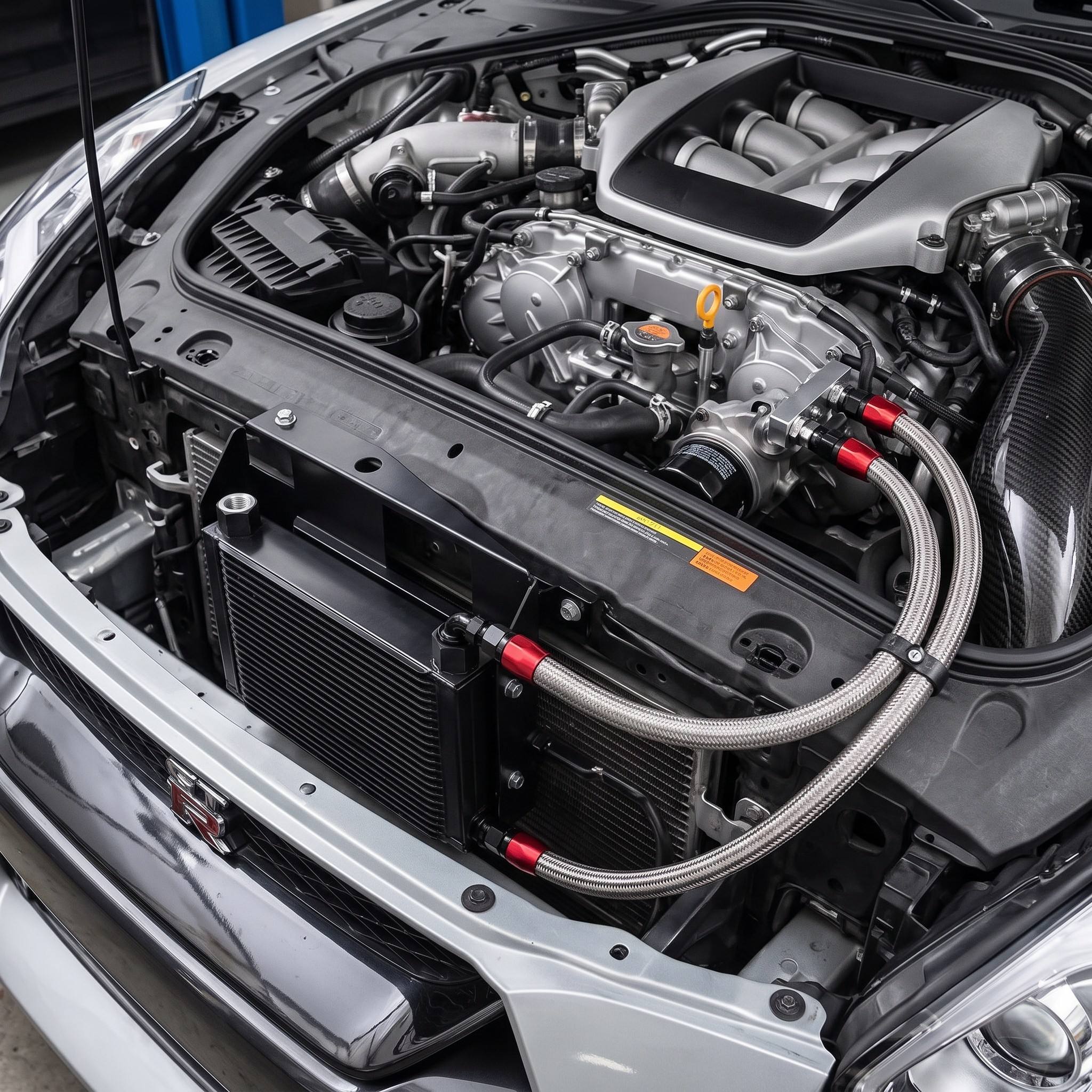
There is no single pressure rating that suits every oil cooling system. Choose a cooler whose documented working-pressure rating exceeds the circuit’s maximum expected operating pressure, while also checking the manufacturer’s limits for the hoses, adapters, seals, and connections. A suitable oil cooler is one part of a pressure-matched assembly, not a substitute for verifying the whole system.
Understand the pressure figures before choosing
Working pressure is the operating limit that matters
The working-pressure rating describes the pressure a component is designed to withstand in normal service. For an engine oil cooler, compare that figure with the engine circuit’s specified maximum pressure, not a casual reading taken at idle. A transmission oil cooler also needs a rating suited to its own circuit, while the oil cooling system must be assessed as a complete path from pump to return.
Do not confuse working pressure with burst pressure. Burst pressure generally describes a destructive test threshold, not a permissible operating target or a safety margin to use during routine operation. An engine oil cooler should be selected by its stated working limit; a transmission oil cooler should be checked the same way. In either case, the oil cooling system must stay within the lowest applicable limit among its connected parts.
Account for pulses, temperature, and test conditions
Pressure can rise during cold starts, rapid changes in engine speed, or restriction at a filter or passage. Hot and cold conditions also affect fluid behavior and component materials, so a rating should be interpreted using the product’s stated temperature range and test conditions. For an engine oil cooler, confirm how the rating applies at service temperature; for a transmission oil cooler, check the same detail against its operating environment.
Ask whether a published figure is a continuous working rating, a proof-test pressure, or a burst value. Those terms are not interchangeable, and an oil cooling system cannot be judged from a large burst number alone. The engine oil cooler, transmission oil cooler, and every connecting component need compatible operating limits. If documentation is unclear, obtain written clarification before installation rather than estimating a safe pressure from appearance or construction.
Match the rating to the specific circuit
Separate engine and transmission requirements
An engine oil cooler typically connects to a lubricating-oil circuit, whose pressure behavior depends on the engine, pump, relief valve, oil viscosity, and plumbing layout. Use service documentation or measured data from the intended application to establish the maximum expected pressure. A transmission oil cooler may use a different fluid path and pressure-control arrangement, so do not assume its required rating matches an engine circuit.
Check whether the transmission circuit is a dedicated cooler loop or part of a broader hydraulic arrangement, then identify pressure limits at the intended connection points. The oil cooling system should be evaluated for normal operation and foreseeable transients. When selecting an engine oil cooler or a transmission oil cooler, rely on application specifications and component documentation, not a pressure figure copied from a different vehicle or machine.
Use the weakest component as the system boundary
A cooler rated above the circuit maximum does not make an assembly safe if a hose, clamp, adapter, or seal has a lower limit. Confirm compatible working pressures, temperature ranges, fluid compatibility, and connection standards across the complete oil cooling system. For an engine oil cooler installation, inspect the full feed and return route; for a transmission oil cooler, verify every line and fitting in the loop.
Also account for restrictions that can raise pressure locally, such as undersized lines, sharp bends, blocked passages, or a clogged component. Routing and maintenance therefore matter alongside the cooler’s specification. A transmission oil cooler should not be paired with a line chosen only for convenience, and an engine oil cooler should not be treated as the sole pressure-bearing part. Set the assembly’s allowable limit by its lowest-rated component.
Verify the choice before installation
Confirm specifications and application evidence
Before ordering, record the circuit’s maximum operating pressure, expected temperature range, fluid type, and connection details. Match those conditions to the cooler’s documented working rating and confirm any temperature derating or application restrictions. For an engine oil cooler, vehicle or equipment service information is a useful reference; for a transmission oil cooler, consult the relevant transmission or equipment specifications.
If the circuit’s maximum pressure is unknown, do not select a rating by guesswork. Consult a qualified technician, obtain reliable pressure measurements under appropriate conditions, or request technical documentation for the application. The oil cooling system needs a defined operating envelope before parts can be matched. This is especially important when an engine oil cooler or transmission oil cooler is being added to a modified circuit.
Inspect, install, and monitor the complete assembly
Install components according to their connection and torque instructions, keeping lines clear of heat sources, moving parts, and avoidable restrictions. After filling and bleeding as required, inspect joints for leaks and verify pressure behavior using suitable instruments and safe procedures. The oil cooling system should be checked again after initial operation, since loose connections or routing issues can appear only once the circuit is hot.
During service, investigate pressure changes rather than compensating with a higher-rated part without finding the cause. A restricted passage or failing regulator can affect the engine oil cooler and connected plumbing. Likewise, unusual readings in a transmission oil cooler circuit call for diagnosis using the equipment’s service procedure. Document the installed ratings and inspection findings so future maintenance teams can assess whether replacement parts remain suitable.
FAQ
Should the cooler rating equal normal operating pressure?
No. The working rating should cover the circuit’s maximum expected operating pressure, including relevant pressure surges, with the application’s documented limits observed. For an engine oil cooler, use the engine’s specified pressure data rather than its typical idle reading.
Can one pressure rating work for engine and transmission circuits?
Not automatically. A transmission oil cooler and an engine circuit may have different pressure controls, fluids, and temperatures. Check each application independently and confirm the ratings of all connected hoses, fittings, and seals.
Is burst pressure enough to confirm a safe selection?
No. Burst pressure is not the same as a continuous working limit. Select an oil cooling system by documented working-pressure ratings and temperature conditions for every component, and ask for clarification when specifications do not define those limits.
 EN