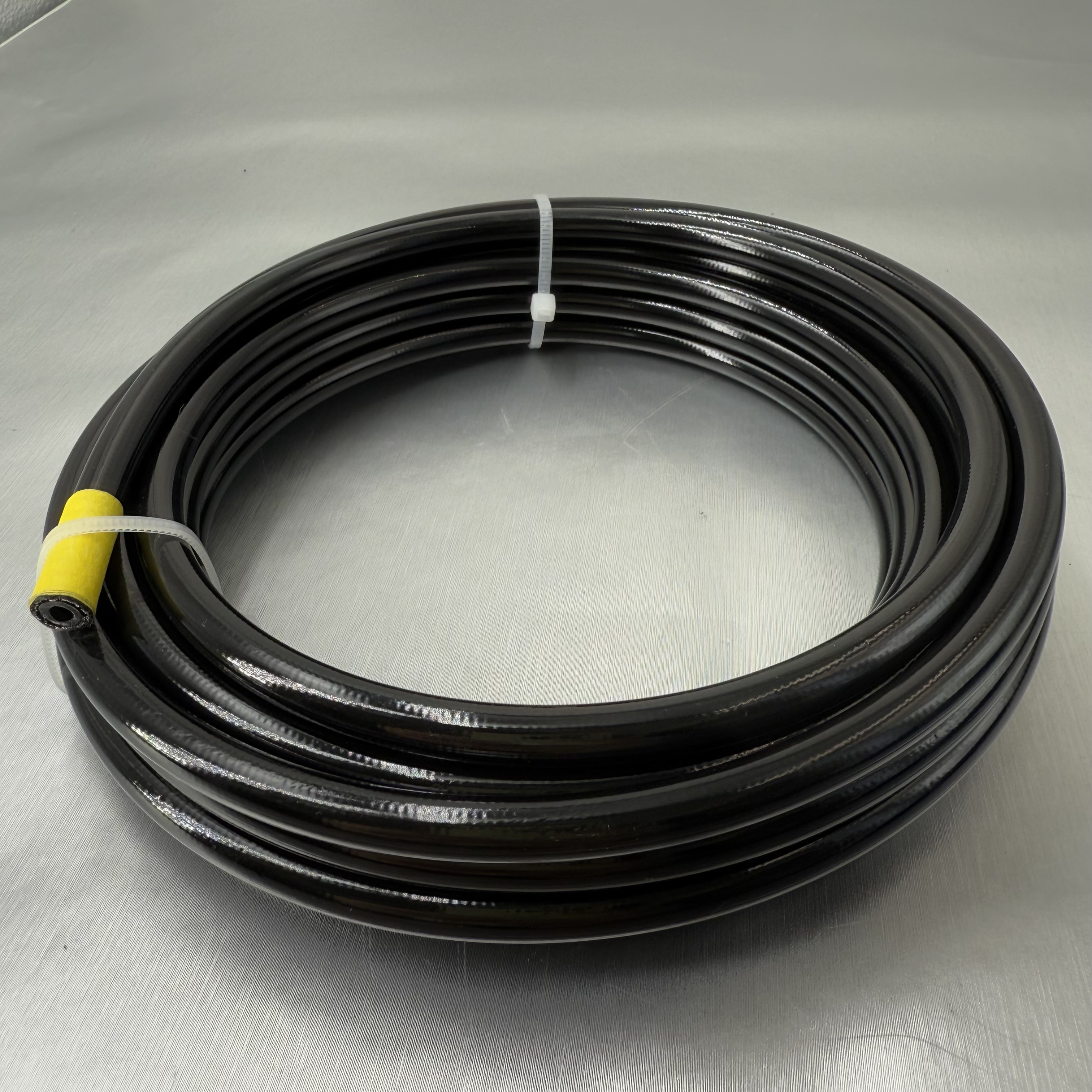
Inspecting a fuel hose for leaks is one of the most critical maintenance tasks in any vehicle or industrial equipment operation. A faulty fuel hose can lead to dangerous fuel leaks, reduced engine performance, and costly downtime. Regular inspection of your fuel hose helps prevent emergencies before they happen, ensuring both safety and operational efficiency. Understanding how to properly check for leaks requires knowledge of what to look for, where to inspect, and how to identify warning signs early.
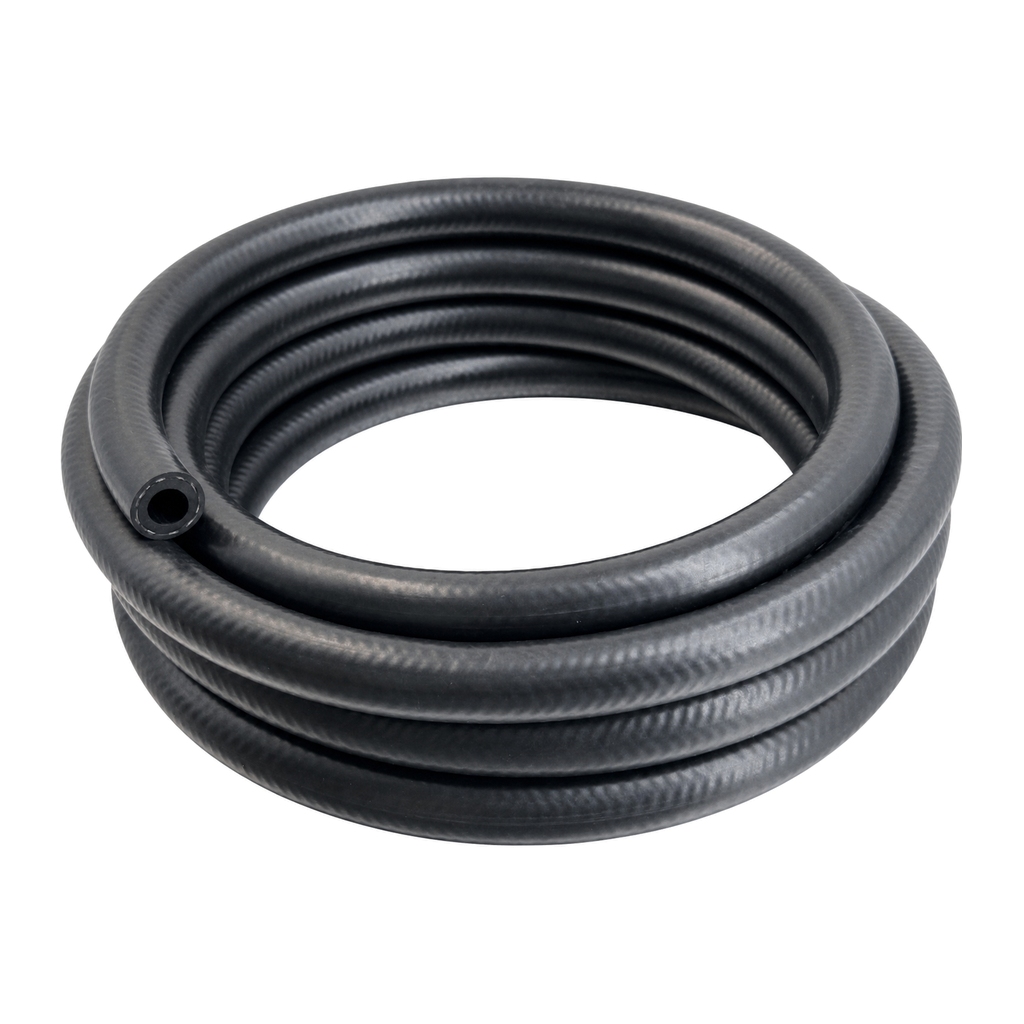
Whether you operate heavy machinery, commercial vehicles, or marine equipment, the condition of your fuel line assembly directly impacts reliability and safety. A diesel fuel hose must withstand high pressure, extreme temperatures, and constant vibration. Over time, rubber and elastomer materials degrade, connections loosen, and microscopic cracks develop that eventually become fuel leaks. By learning the inspection process now, you can catch problems early and avoid dangerous situations on the road or at your facility.
Visual Inspection of Your Fuel Hose
Examine External Surfaces for Damage
Begin by looking at the entire fuel hose surface under good lighting conditions. Check for visible cracks, splits, blisters, or punctures along the length of the hose. A fuel hose that has been exposed to UV rays, extreme heat, or sharp objects will often show surface degradation. Run your hand gently along the fuel line assembly to feel for soft spots, hardened sections, or areas where the rubber has become brittle. Pay particular attention to sections near the engine where heat is greatest and around wheel wells where road debris can cause abrasion.
Discoloration is another important sign to monitor. A healthy fuel hose typically maintains its original color, while one that has absorbed fuel or suffered heat damage may appear darker or discolored. Check the connection points where the fuel hose attaches to the tank, fuel pump, or fuel injectors. These areas experience the most stress and are common leak points. A diesel fuel hose that shows white powdery residue or crystalline buildup indicates chemical degradation and requires immediate attention.
Assess Hose Flexibility and Condition
Gently squeeze sections of the fuel hose with your fingers to test flexibility. A properly maintained fuel hose should compress slightly and return to its original shape. If the hose feels hard and brittle, or conversely too soft and mushy, it indicates material degradation. A fuel hose replacement may be necessary if the rubber has lost its structural integrity. Stiff or overly soft hoses cannot maintain proper pressure and invite leaks at connection points.
Pressure Testing and Leak Detection Methods
Use a Pressure Gauge for Accurate Assessment
A fuel hose that appears visually intact may still leak under pressure. Installing a fuel pressure gauge at the fuel filter or near the fuel injectors reveals whether your fuel line assembly maintains proper pressure over time. Most diesel fuel hose systems operate between 30 and 80 PSI, depending on the engine type. If pressure drops suddenly or gradually during operation, a leak likely exists somewhere along the fuel hose. Document the pressure reading and note any fluctuations to help diagnose the problem location.
Pressure drops under load indicate a more serious fuel hose leak than drops at idle. Run the engine at normal operating temperature and various RPMs while monitoring pressure. Any unexpected drop suggests the fuel hose or its connections are compromised. A diesel fuel hose with internal cracks or separation between layers may hold pressure initially but fail under sustained load, so testing under realistic conditions matters greatly.
Apply Soapy Water Detection Technique
Mix dish soap with water in a spray bottle and coat the entire fuel hose and fuel line assembly connections while the engine is running or the fuel system is pressurized. Any bubbles that form indicate escaping fuel. This simple yet effective method reveals even tiny leaks invisible to the naked eye. Start from the fuel tank connection and work your way to the engine, paying extra attention to threaded connections, clamps, and hose ends where leaks commonly occur. Mark any bubble formation locations for repair reference.
When testing a fuel hose replacement candidate or a repaired fuel hose, the soapy water method confirms successful installation. Bubble formation after repair indicates improper sealing and requires reconnection. For diesel fuel hose applications, this non-invasive test prevents unnecessary component replacement and saves time during diagnostics.
Connection Points and Common Leak Locations
Inspect Fuel Hose Fittings and Clamps
Fuel leaks often originate at connection points rather than along the hose body itself. Check every clamp holding the fuel hose in place to ensure it is tight and not corroded. Corrosion weakens clamps and allows micro-movements that cause leaks. If a clamp appears rusty or damaged, remove it and inspect the connection. A fuel hose that sits loose or has slipped on a fitting needs immediate reconnection and clamping.
Check threaded connections where the fuel line assembly attaches to fuel filters, regulators, or injectors. Hand-tighten these fittings slightly to confirm they are snug. If a fitting was hand-tightened previously and remains loose, thread damage may have occurred. Do not over-tighten as this can crack plastic fittings or strip threads. For diesel fuel hose systems using quick-disconnect couplers, inspect the sealing rings and ensure couplers lock fully when connected.
Monitor Connection Areas During Operation
Start the engine and observe connection points for fuel seeping or dripping. Any visible fuel at a connection indicates a leak requiring immediate service. The presence of dried fuel residue around a fitting suggests intermittent or minor leaking that worsens over time. A fuel hose replacement job that includes new fittings and clamps typically resolves these connection-based leaks. Some operators find that retightening existing connections stops minor weeping, while others require full fuel line assembly service to restore reliability.
FAQ
How often should I inspect my fuel hose for leaks?
Inspect your fuel hose monthly during routine maintenance checks and before long trips or heavy-use seasons. High-performance applications, marine engines, or diesel fuel hose systems in demanding environments warrant bi-weekly inspections. If you notice changes in fuel smell, fuel odor inside the vehicle, or warning lights, inspect immediately regardless of your regular schedule.
What causes a fuel hose to develop leaks over time?
Age, UV exposure, heat cycling, and vibration all degrade rubber materials in your fuel line assembly. Incompatible fuels, ethanol-blended gasoline, and corrosive additives accelerate degradation. A diesel fuel hose experiences additional stress from high fuel pressure and extreme temperature swings in engine compartments. Mechanical damage from road debris or installation errors also creates weak points where leaks develop.
Can I temporarily repair a leaking fuel hose?
Minor weeping at connections can sometimes be stopped by retightening clamps or fittings, but this is temporary. A fuel hose with visible cracks or holes requires replacement to ensure safety. Never attempt to seal a damaged fuel hose with tape or sealant products, as these fail under pressure and create fire hazards. For diesel fuel hose systems, always perform proper fuel hose replacement following manufacturer specifications to maintain performance and safety.
 EN