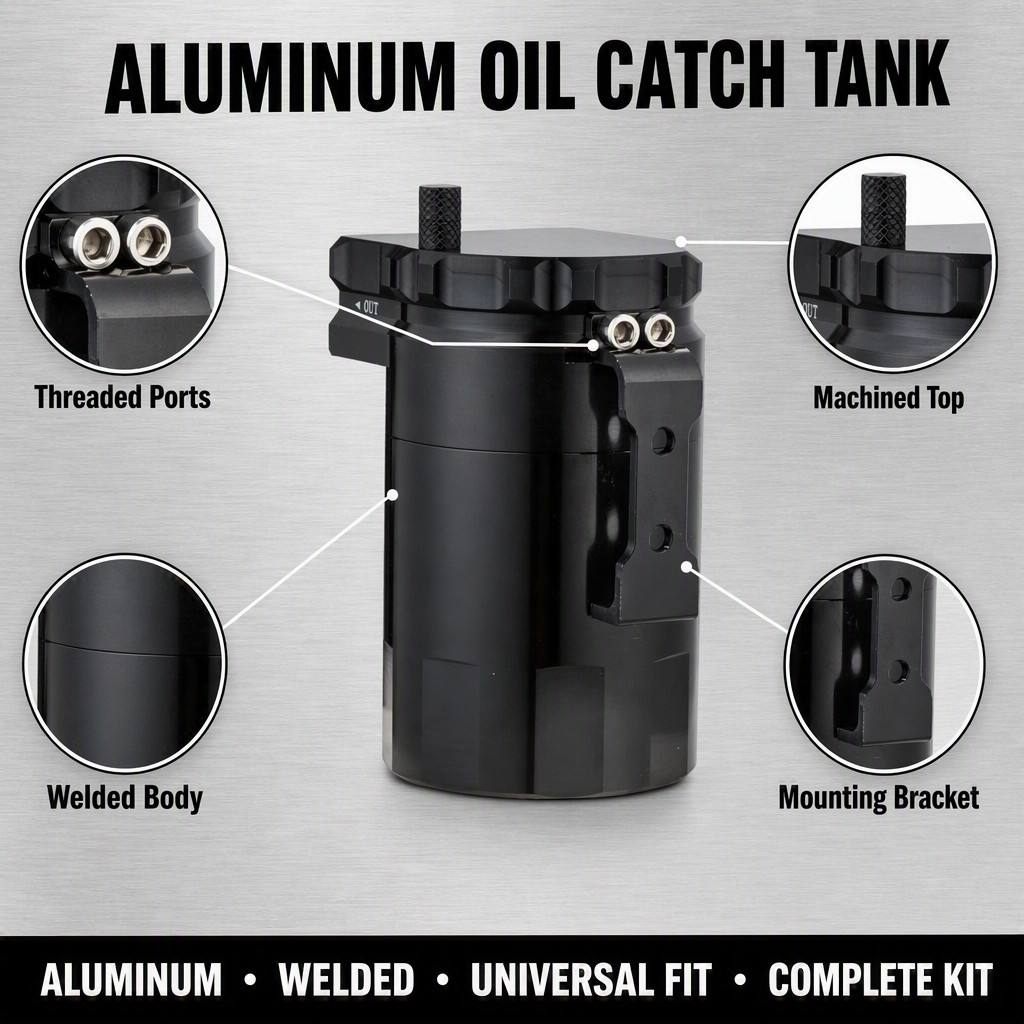
Understanding the proper pressure ratings for a catch can is essential for anyone maintaining a high-performance or modified engine. A catch can serves a critical function in your engine's crankcase ventilation system by capturing oil vapors and particulates before they enter the intake manifold. The pressure rating of your catch can directly affects its durability, safety, and long-term performance. Selecting a catch can with inadequate pressure ratings can lead to component failure, compromised engine health, and potential safety hazards. This guide explores the pressure specifications that catch cans must meet and why these ratings matter for your engine catch can system.
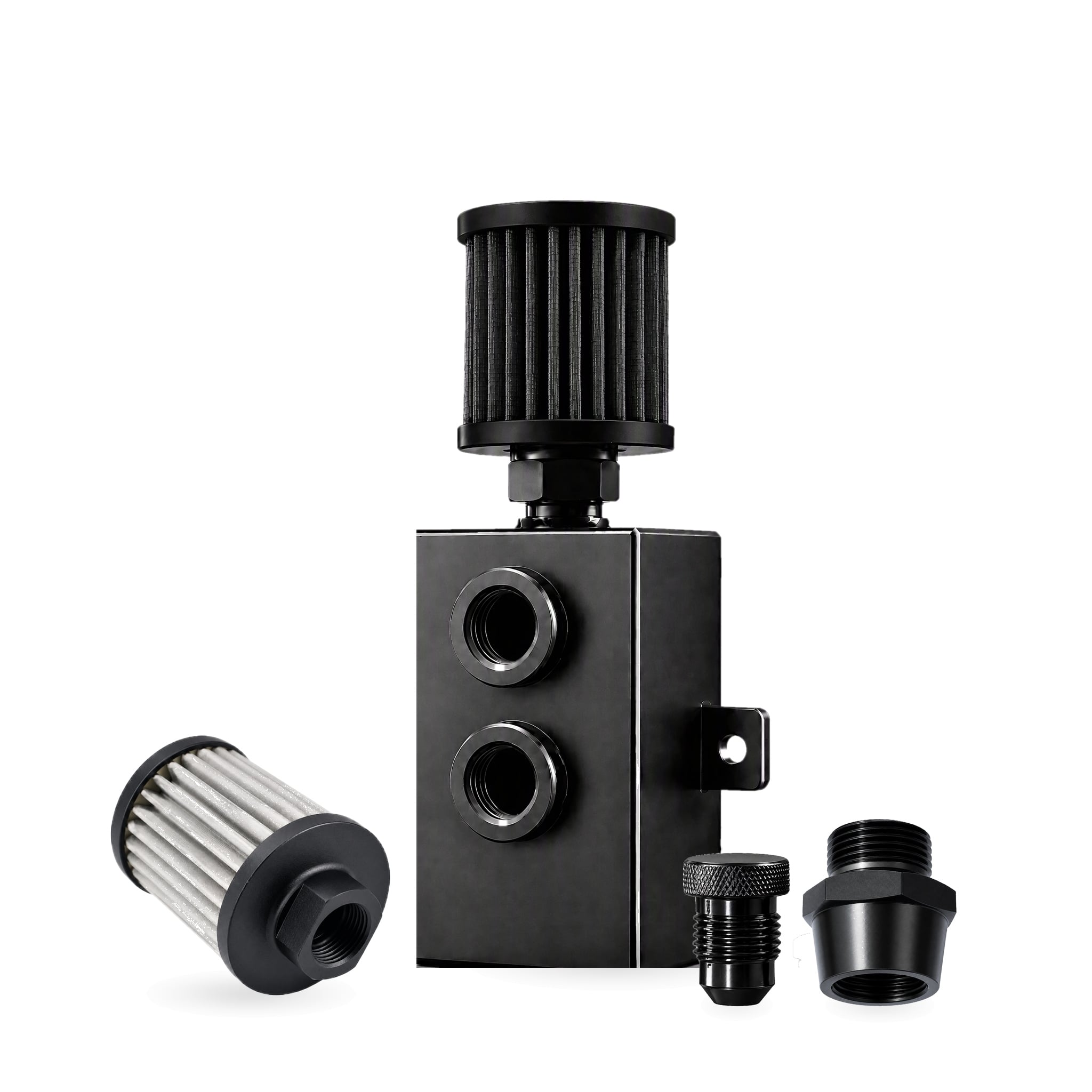
The pressure rating requirements for any catch can depend on your engine type, boost level, and driving conditions. Most street-driven vehicles require catch cans rated for 5 to 15 PSI, while turbocharged and supercharged engines often demand higher ratings ranging from 20 to 50 PSI or more. The PCV catch can installation process requires careful pressure matching to avoid undersized components that crack or fail under load. Proper pressure-rated containers prevent seal degradation, hose rupture, and system leaks that could damage your engine bay and compromise vehicle safety. Understanding these specifications upfront ensures your engine catch can system operates reliably and protects your engine investment.
Understanding Pressure Rating Specifications
What Pressure Ratings Mean for Catch Cans
Pressure ratings indicate the maximum internal pressure a catch can container can safely withstand without rupturing or leaking. These ratings are expressed in pounds per square inch (PSI) and vary significantly based on material composition, wall thickness, and container design. A catch can rated for 15 PSI cannot safely handle pressures from a turbocharged engine that generates 30 PSI of boost. Exceeding the rated pressure causes internal seals to fail, vents to blow out, and potentially catastrophic damage. The engine catch can system relies on proper pressure matching to function safely and effectively.
Factory and Aftermarket Rating Standards
Most factory catch can systems support 10 to 20 PSI, which suits naturally aspirated engines under normal conditions. Aftermarket catch cans come in various pressure ratings to accommodate different engine configurations and modifications. High-performance aftermarket designs often feature reinforced construction capable of handling 25 to 50 PSI or higher. When planning PCV catch can installation, verify that your chosen container matches or exceeds your engine's actual peak crankcase pressure output. Aluminum and steel containers generally offer superior pressure tolerance compared to plastic alternatives.
Pressure Requirements by Engine Type
Naturally Aspirated Engine Specifications
Naturally aspirated engines typically generate modest crankcase pressures between 2 and 8 PSI during normal operation. A catch can rated for 15 to 20 PSI provides ample safety margin for these applications. The engine catch can system in naturally aspirated vehicles operates under relatively stable pressure conditions, making standard aftermarket catch cans suitable for most builds. Catch can maintenance and cleaning become easier with these lower-pressure systems since components experience less stress. Even budget-friendly options with conservative pressure ratings work reliably for naturally aspirated street vehicles.
Turbocharged and Supercharged Engine Demands
Forced induction engines generate significantly higher crankcase pressures due to boost conditions and increased combustion forces. Turbocharged engines commonly produce 20 to 40 PSI of crankcase pressure depending on boost level and engine tuning. Supercharged vehicles experience similar or even higher pressures throughout the engine cycle. For these applications, your engine catch can system must feature heavy-duty construction with pressure ratings exceeding 50 PSI for safety margin. PCV catch can installation on forced induction engines demands premium-grade containers capable of handling extreme pressure fluctuations. Undersized components fail rapidly under these demanding conditions, requiring expensive replacement and potential engine damage repair.
Installation, Maintenance, and Pressure System Integration
Proper PCV Catch Can Installation Techniques
Successful PCV catch can installation begins by selecting a pressure-rated container appropriate for your specific engine configuration. Measure your engine's expected peak crankcase pressure using a pressure gauge installed in the crankcase vent line. Choose a catch can rated at least 1.5 times higher than this maximum pressure to ensure safe operating margin. Position the container to minimize hose bends and pressure points that could stress connections. Use quality hose rated for the same pressure specification as your catch can to prevent system failures from weak link components. Secure all fittings firmly and check for leaks before returning the vehicle to service.
Catch Can Maintenance and Cleaning Requirements
Regular catch can maintenance and cleaning extends component lifespan and ensures consistent system performance. High-pressure catch cans accumulate heavy oil and carbon deposits that impede drainage and pressure relief function. Schedule inspection and cleaning every 5,000 to 10,000 miles depending on driving conditions and engine modifications. Drain accumulated oil carefully and inspect internal baffles for clogs or deterioration. Clean the engine catch can system's vent lines and connections to maintain unrestricted airflow. Pressure-rated containers designed for easier access and cleaning reduce maintenance burden significantly. Replace worn seals and check vent valves for proper pressure relief during each maintenance interval.
FAQ
What pressure rating do I need for a turbocharged engine?
Turbocharged engines require a catch can rated for at least 50 PSI to handle peak crankcase pressures safely. A typical turbo engine can generate 25 to 40 PSI of crankcase pressure, so your engine catch can system should exceed this by a significant safety margin. Undersized containers fail under boost conditions, making premium pressure-rated options essential for forced induction builds. Always verify your specific engine's actual peak pressure before final selection to ensure the catch can pressure rating provides adequate protection.
How do I measure my engine's crankcase pressure?
Install a pressure gauge into your crankcase vent line and monitor readings during various driving conditions. Drive through acceleration, cruising, and load testing to capture peak pressure values across different scenarios. Record the highest PSI reading observed during this testing process. This maximum value guides your catch can selection, ensuring your engine catch can system features a pressure rating at least 1.5 times higher than the measured peak. Professional tuning shops can perform this measurement if you lack gauge equipment or prefer expert assessment.
Can undersized pressure ratings damage my engine?
Yes, a catch can with insufficient pressure rating fails catastrophically and can severely damage your engine. Undersized containers rupture or vent improperly, forcing unfiltered crankcase vapors into the intake manifold and combustion chamber. This contamination causes carbon buildup, oil fouling, and potential engine misfires or damage. Your engine catch can system's pressure rating must match or exceed peak operating conditions, making proper selection critical for engine protection. Always choose pressure-rated components that provide safety margin rather than minimum-threshold options.
 EN