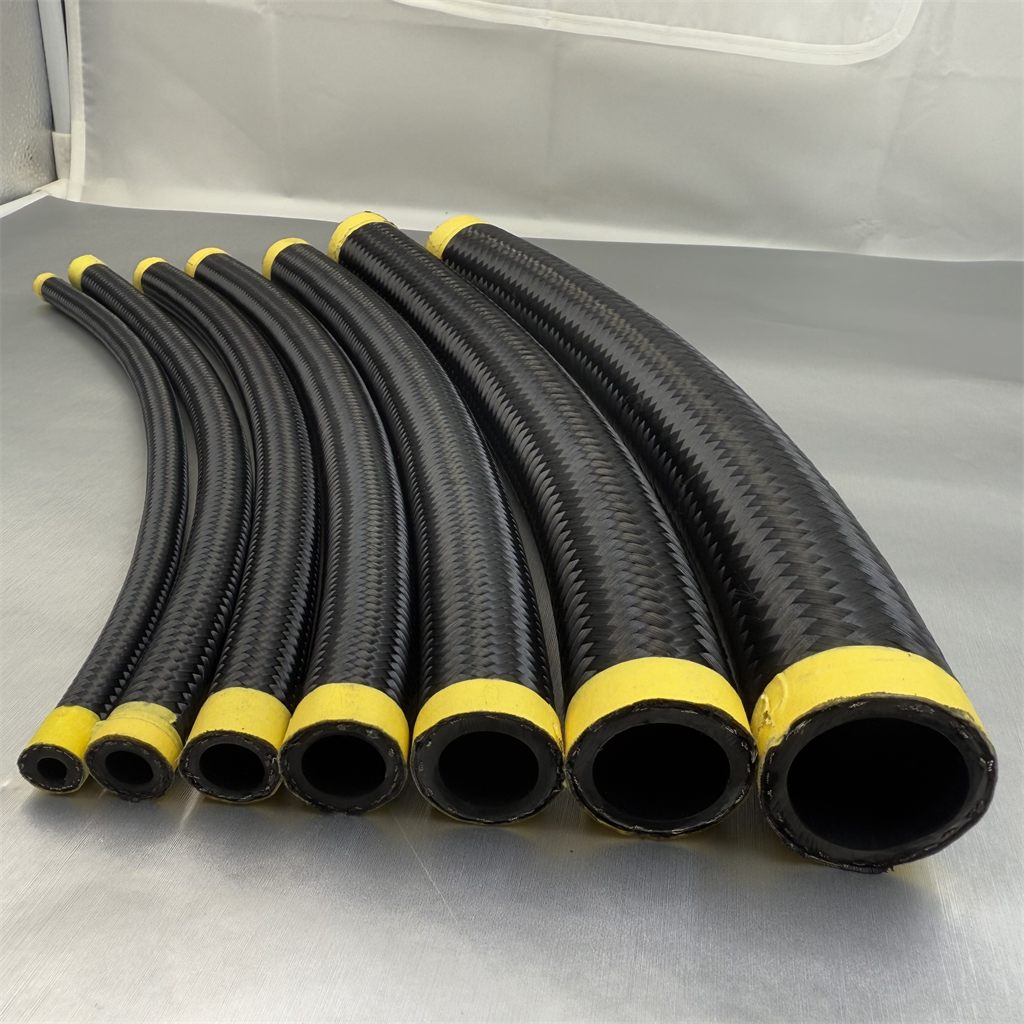
Knowing when to replace your fuel hose is critical for vehicle safety, engine performance, and preventing costly damage. A failing fuel hose can lead to fuel leaks, vapor pressure issues, and potential fire hazards. Unlike other maintenance tasks, fuel hose replacement isn't always guided by strict mileage intervals—instead, it depends on visible wear signs, age, environmental exposure, and the type of fuel system your vehicle uses. This guide explains the key indicators that signal it's time for a fuel hose replacement and how to protect your engine investment.
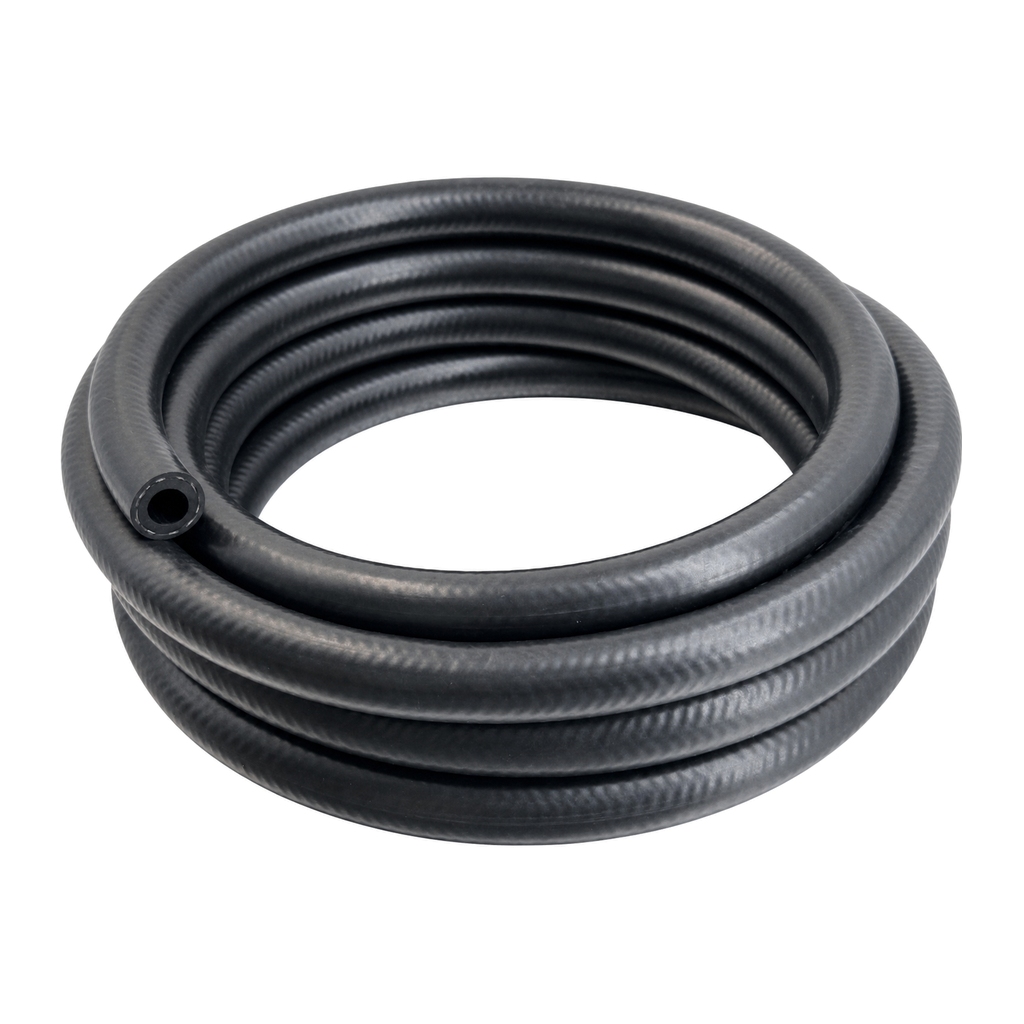
Most vehicles operate with a complex fuel line assembly that moves gasoline or diesel from the tank to the engine. The fuel hose itself is a rubber or reinforced polymer tube designed to withstand pressure, temperature fluctuations, and fuel chemical exposure. Over time, rubber degrades, internal corrosion develops, and material brittleness increases. Recognizing the signs of degradation before catastrophic failure helps you avoid breakdowns, safety risks, and emergency repairs in remote locations.
Visible Signs Your Fuel Hose Needs Replacement
Cracks, Leaks, and Fuel Odors
The most obvious indicator that your fuel hose requires replacement is visible fuel leaking beneath your vehicle or around connection points. Even small seeps compromise safety and waste fuel. Cracks in the rubber exterior, especially near clamps or bends, often precede major leaks. A strong gasoline or diesel smell near the fuel tank, engine bay, or underneath the vehicle is a red flag. If you notice fuel stains on your driveway or a persistent fuel odor after parking, inspect your fuel line assembly immediately. A diesel fuel hose may show similar deterioration, though diesel's chemical properties sometimes accelerate rubber breakdown differently than gasoline does.
Soft, Brittle, or Discolored Rubber
Physical inspection reveals hose condition that simple smell tests cannot. Squeeze the fuel hose gently—if it feels unusually soft, mushy, or loses elasticity, the rubber has degraded internally. Conversely, if the hose feels brittle or cracks easily under gentle pressure, age and heat exposure have compromised its structural integrity. Discoloration, sticky residue, or surface erosion also indicate chemical breakdown. These changes suggest your fuel hose replacement is overdue, even if no active leak exists yet.
Time-Based and Usage-Related Replacement Triggers
Age and Environmental Exposure
Most rubber fuel hoses degrade regardless of mileage. Industry standards and manufacturer recommendations typically suggest fuel hose replacement every five to ten years, depending on climate and vehicle usage patterns. Heat, UV radiation, ozone exposure, and humidity accelerate rubber degradation. Vehicles in hot climates, areas with high ozone levels, or those stored outdoors experience faster hose aging. If your vehicle is seven years old or older and you have not inspected or replaced the fuel hose, schedule a replacement soon. Diesel fuel hose systems sometimes require replacement at different intervals than gasoline systems due to fuel chemical composition and pressure variations.
High-Mileage Vehicle Considerations
While fuel hose replacement timing is not strictly tied to mileage, high-mileage vehicles face cumulative stress. The fuel line assembly operates under sustained pressure, heat cycling, and vibration exposure. After 80,000 to 100,000 miles, inspect hoses closely for early signs of wear. Older vehicles may have original fuel hoses installed for 10+ years; replacement becomes urgent regardless of mileage. If you purchased a used vehicle with unknown fuel hose history, err on the side of caution and replace the hose as a preventive maintenance step.
Performance Issues Indicating Fuel Hose Problems
Engine Performance and Fuel System Symptoms
A deteriorating or failing fuel hose can trigger performance issues before a visible leak appears. Rough idling, hesitation during acceleration, difficulty starting, or stalling may indicate a fuel line assembly problem. These symptoms stem from fuel pressure loss, air leaks, or contamination entering the fuel system through microscopic cracks. If your vehicle displays these issues and a fuel filter or fuel pump replacement does not resolve them, suspect the fuel hose. Check diagnostic codes and have a mechanic inspect the entire fuel line assembly for integrity.
Fuel Pressure Warnings and Dashboard Indicators
Modern vehicles with fuel pressure monitoring may display dashboard warnings if system pressure drops due to leaks or hose failure. A fuel hose that has developed internal cracks or separation can cause pressure fluctuations that trigger sensor alerts. If your vehicle has an onboard diagnostic system and shows fuel system pressure faults, fuel pump relay warnings, or related error codes, have the fuel line assembly examined. A diesel fuel hose failure may not always trigger digital warnings in older vehicles, so manual inspection remains essential alongside diagnostic scans.
FAQ
How often should fuel hose replacement occur?
Most manufacturers recommend inspecting your fuel hose every two years and replacing it every five to ten years, even if no visible damage exists. High-temperature climates or vehicles exposed to extreme UV radiation may require replacement every five years. The fuel hose replacement timeline depends more on hose condition than mileage. If you drive infrequently but the fuel hose is old, age alone justifies replacement. Always follow your vehicle's service manual recommendations and inspect your fuel line assembly annually.
Can a diesel fuel hose last longer than a gasoline fuel hose?
Diesel fuel hose and gasoline fuel hose longevity depends on rubber formulation, pressure rating, and environmental exposure rather than fuel type. However, diesel's chemical properties sometimes attack certain rubber compounds differently than gasoline does. Ensure your diesel fuel hose replacement uses hose rated specifically for diesel applications. A diesel fuel hose may degrade faster in some vehicles but last equally long in others. Always verify SAE ratings and OEM specifications for your particular fuel system.
What happens if you ignore a failing fuel hose?
Postponing fuel hose replacement risks fuel leaks that create fire hazards, poor engine performance, fuel odors in the cabin, and potential environmental contamination. A ruptured fuel line assembly can leave you stranded without warning. In worst-case scenarios, fuel pooling near hot engine components or exhaust systems poses serious fire risks. Preventive fuel hose replacement is far cheaper and safer than emergency repairs or vehicle damage resulting from a fuel system failure. Address hose issues immediately rather than waiting for catastrophic breakdown.
 EN