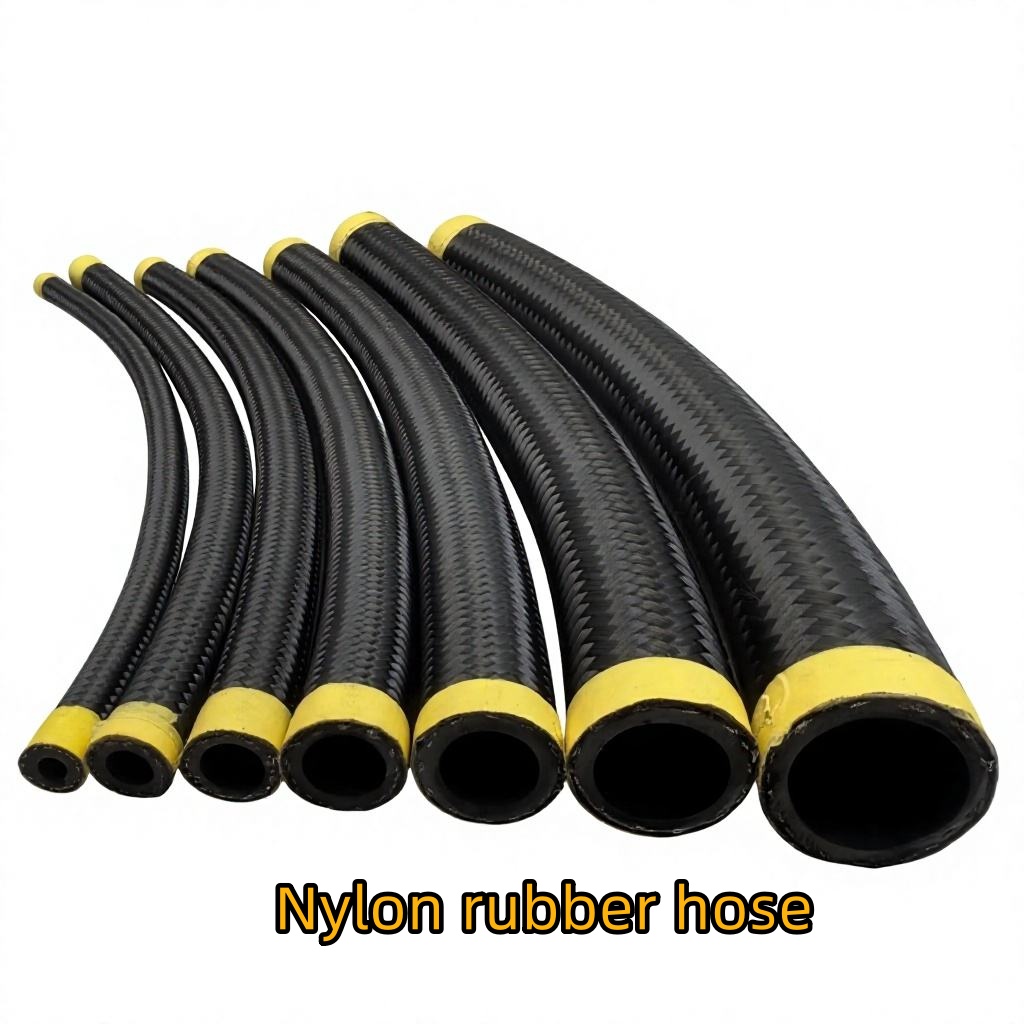
A failing braided hose can lead to catastrophic system failures, safety hazards, and costly downtime. Whether in automotive, aerospace, or industrial applications, understanding the root causes of hose degradation is essential for maintaining reliability and preventing unexpected leaks. The failure mechanisms behind braided hose systems are complex, involving material fatigue, environmental exposure, installation defects, and operational stresses that compound over time.
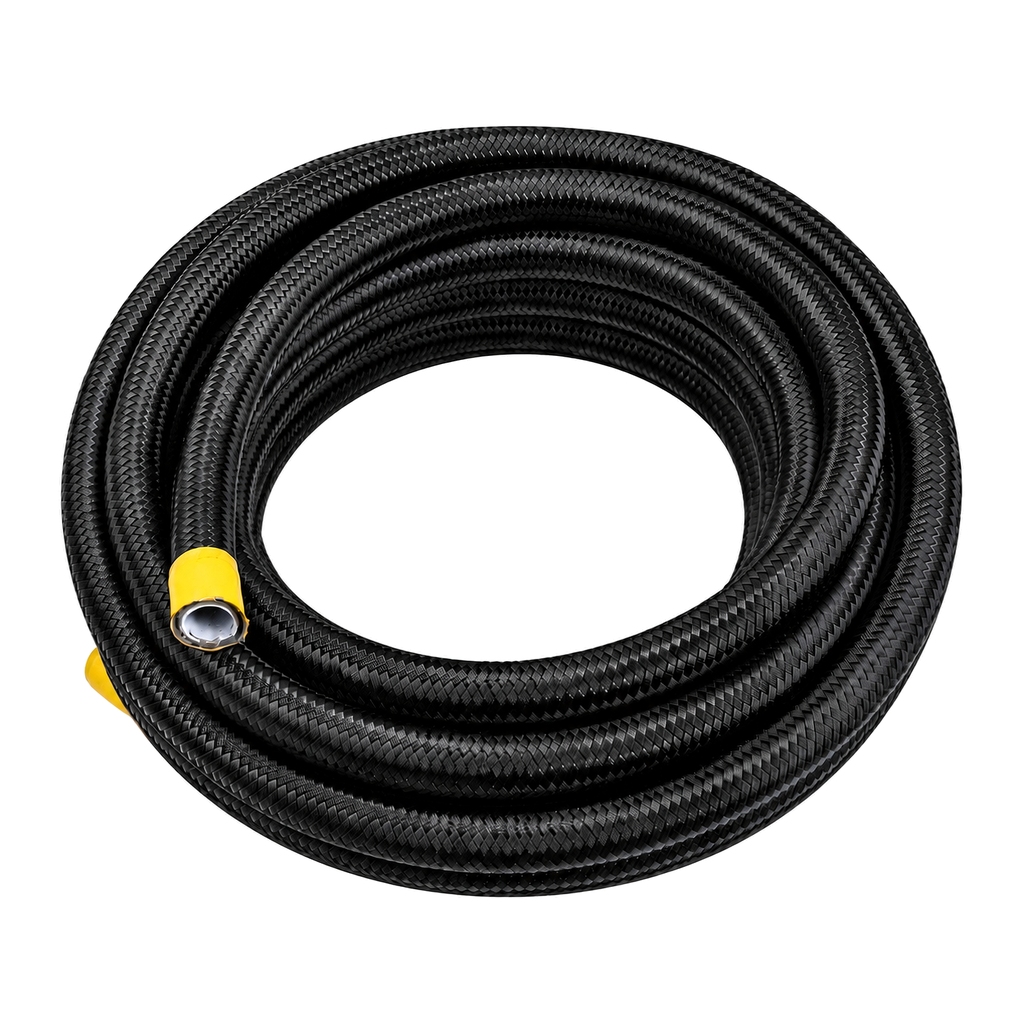
Braided hose failures don't occur randomly. They result from predictable failure modes that develop when the hose encounters conditions beyond its design limits or when installation and maintenance practices fall short. By identifying these failure patterns early, engineers and technicians can implement preventive measures, extend hose service life, and maintain system integrity across demanding industrial environments.
Material Degradation and Environmental Factors
Temperature Extremes and Chemical Exposure
Environmental stress represents one of the primary drivers of braided hydraulic hose degradation. When stainless steel braided hose components operate outside their rated temperature range, the inner elastomer tube loses flexibility and begins to harden or crack. High temperatures accelerate polymer chain breakdown, while freezing conditions make the hose brittle and susceptible to splitting. Chemical exposure compounds this damage when the fluid or surrounding environment contains solvents, oils, or corrosive compounds that penetrate the outer braid layer and attack the inner core material.
UV radiation and ozone exposure pose particular risks for hoses installed outdoors or in direct sunlight. These environmental forces break down the outer protective layer of the braided brake hose, reducing its resistance to abrasion and allowing moisture ingress. In marine and coastal applications, salt-laden air accelerates corrosion of the braid, compromising its structural integrity. Poor storage conditions before installation—such as exposure to extreme temperatures or direct sunlight—can initiate material degradation before the hose ever enters service, setting the stage for early failure.
Braid Wire Corrosion and Weakening
The braided steel reinforcement in a braided hose system is designed to contain pressure, but corrosion undermines this structural function. Even stainless steel braided hose components can develop surface corrosion if moisture, salt, or aggressive chemicals contact the wire strands. Once corrosion initiates, it spreads along the wire surface, creating stress concentration points where the load-bearing capacity drops dramatically. A corroded braid wire may look intact from the outside but fracture under normal operating pressure because the material is locally weakened.
This corrosion process accelerates in environments where water or electrolytes remain in contact with the hose for extended periods. Ships, industrial cooling systems, and outdoor installations are particularly vulnerable. The corroded wire fragments can also migrate into the hose fluid system, causing filter blockage and contamination issues that trigger secondary failures downstream in pumps, actuators, and control valves.
Installation and Operational Stress
Improper Installation and Mechanical Damage
Many braided hose failures originate at the installation stage rather than in normal service. Over-tightening fittings can crush the outer braid layer and damage the inner tube, creating internal stress raisers that nucleate cracks. Under-tightening, conversely, allows the hose to rotate or move within the fitting, causing fretting wear that generates debris and progressive loosening. Improper bending during installation—bending the braided brake hose to a radius tighter than its minimum bend specification—induces permanent deformation and uneven stress distribution across the braid wires.
Sharp edges, rough mounting brackets, and vibration abrasion are equally damaging. If the hose rubs against a sharp fastener, mounting point, or rough surface during system operation, the outer braid abraded away, exposing the inner tube to external contamination and pressure stress. Vibration in engines, pumps, and machinery can cause the hose to oscillate against mounting hardware, accelerating wear. Without proper hose clamps, supports, and routing to avoid contact points, even a well-designed braided hydraulic hose fails prematurely.
Pressure Cycling and Fatigue Failures
Repeated pressure cycling causes fatigue failure in both the inner tube and the braided reinforcement. Each pressure spike and relief cycle stresses the hose walls elastically and plastically. Over thousands or millions of cycles, micro-cracks nucleate at defects or stress concentrations and propagate through the material. The braided hydraulic hose may initially hold pressure, but the cumulative damage eventually exceeds the material's remaining fatigue strength, leading to rupture.
This fatigue mechanism is particularly aggressive in high-frequency pressure cycling applications, such as hydraulic systems on industrial presses, rapid-response actuators, or regenerative braking systems in vehicles. Systems experiencing pressure spikes exceeding the hose's rated working pressure accelerate fatigue significantly. Over-pressurization events, even if rare, can permanently damage the hose by flattening braid wires or causing micro-tears that serve as failure initiation sites for subsequent normal-pressure cycles.
Contamination and Maintenance Issues
Internal Contamination and Fluid Degradation
Contamination inside the braided hose creates internal abrasion that weakens the tube wall from within. Particles entering the system through inadequate filtration, worn seals, or damaged hose ends circulate through the braided brake hose repeatedly, scraping and scoring the inner surface. These surface imperfections reduce the effective wall thickness of the tube and create stress concentration sites where rupture initiates under pressure.
Fluid degradation further compromises the braided hose system. When hydraulic or brake fluid oxidizes, absorbs moisture, or accumulates contaminants, its viscosity and lubricity properties change. Poor lubricity accelerates wear of the inner tube. Moisture-saturated fluid promotes corrosion of the braid wires from the inside and softens the tube material, reducing its pressure-holding capability. Neglected hose flushing and fluid maintenance eventually result in hose failure, even if the hose itself is structurally sound initially.
Lack of Preventive Inspection and Maintenance
Many braided hydraulic hose failures could be prevented through routine visual inspection and timely replacement before failure occurs. Systems lacking formal hose inspection protocols allow degradation to progress unchecked until catastrophic rupture occurs. Early warning signs—such as surface cracking, discoloration, fluid weeping, or braid deformation—are visible indicators that the hose is near the end of its service life, yet unmonitored systems miss these signals.
Scheduled hose replacement based on manufacturer recommendations and actual operating conditions is a foundational maintenance practice. Age-related hardening of elastomers accelerates after five to ten years, even under mild conditions. Hoses in harsh environments require more frequent inspection and replacement cycles. System operators who implement preventive hose replacement programs experience dramatically fewer emergency failures compared to operators who wait for hoses to fail before replacement.
FAQ
What is the primary cause of braided hose failure in hydraulic systems?
The primary cause varies by application, but material fatigue from pressure cycling combined with environmental degradation is most common. Over-pressurization events, improper installation, and vibration abrasion frequently accelerate failure. Contaminated fluid and inadequate maintenance amplify these root causes, making prevention through proper installation, fluid management, and inspection essential for system reliability.
How can stainless steel braided hose prevent corrosion-related failures?
Stainless steel braided hose provides superior corrosion resistance compared to carbon steel braid, making it ideal for marine, coastal, and chemically aggressive environments. The stainless steel braid resists surface rust and pitting, extending hose service life significantly. However, even stainless steel braided hose requires proper maintenance, adequate drainage to prevent moisture accumulation, and protection from extreme salt exposure for optimal performance in harsh conditions.
How often should braided brake hose be inspected or replaced?
Routine visual inspection of braided brake hose should occur at least annually or according to vehicle and system manufacturer recommendations. Most hydraulic and brake hoses operate safely for five to ten years under normal conditions, but harsh operating environments, high-pressure cycling, extreme temperatures, or contamination exposure may warrant replacement every two to five years. Operators should replace hoses showing visible damage, discoloration, brittleness, or any fluid weeping immediately rather than risk failure.
 EN