 EN

what-causes-hydraulic-crimping-machine-failure-and-leaks, what-causes-hydraulic-crimping-machine-failure-and-leaks, /news
EN
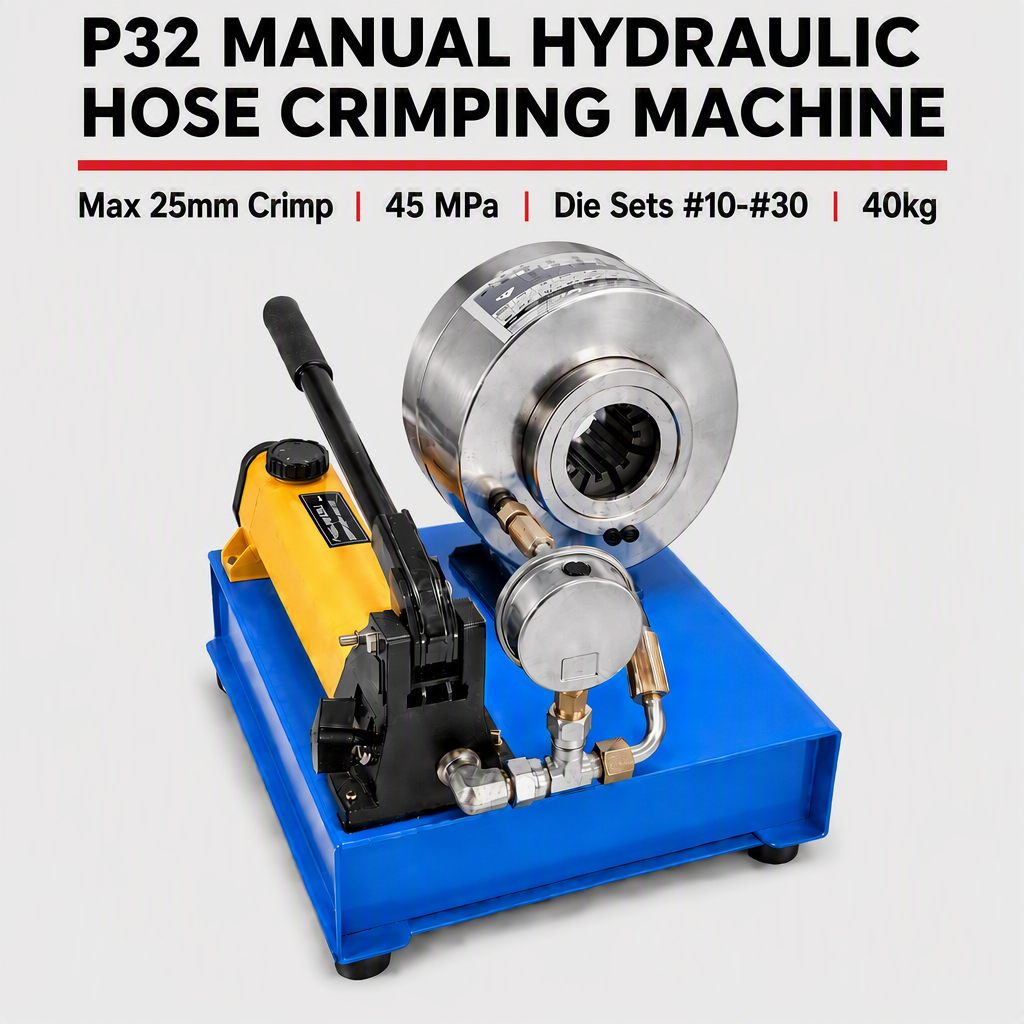
A hydraulic crimping machine is essential for creating secure hose connections in industrial, automotive, and construction applications. However, many operators and maintenance teams struggle with unexpected failures and leaks that disrupt production schedules and compromise workflow efficiency. Understanding the root causes of these problems is critical to maintaining reliable performance and extending equipment lifespan.
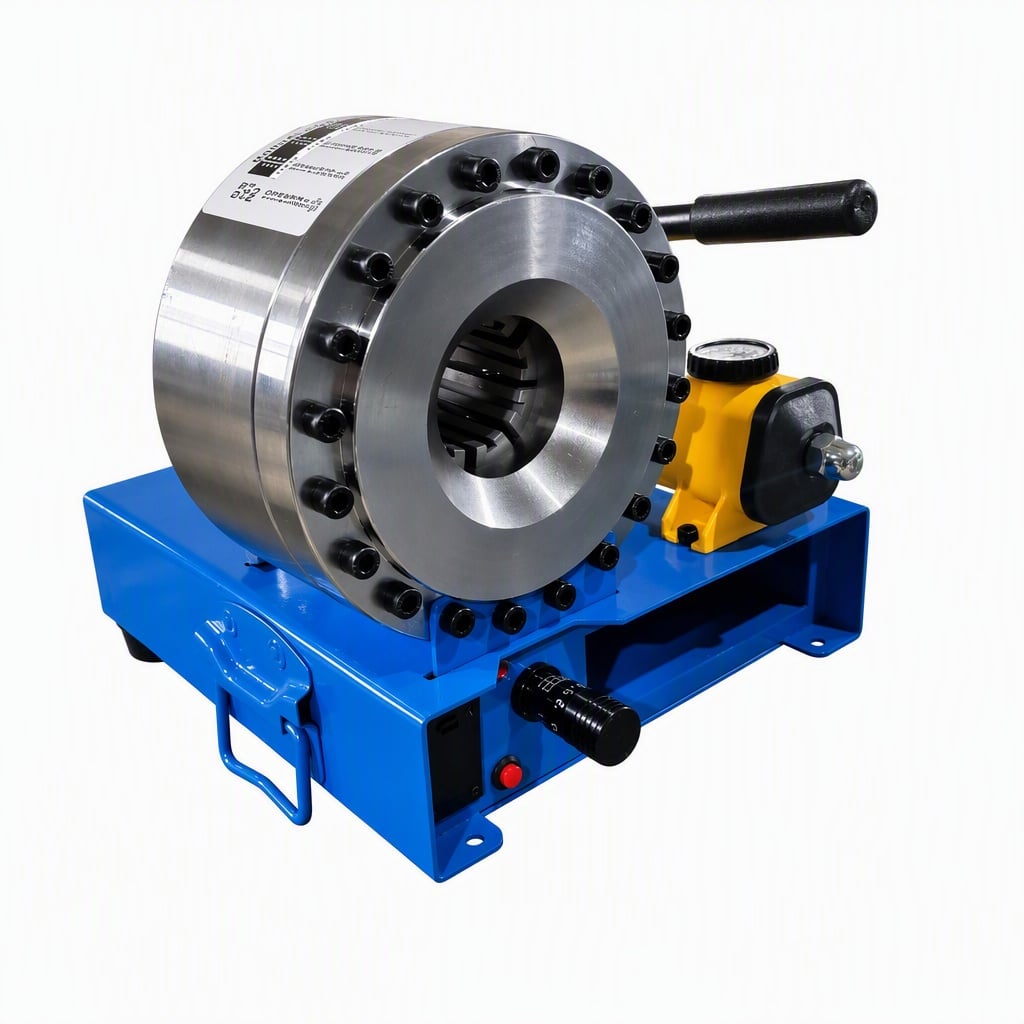
The primary reason a hydraulic crimping machine experiences failure and leaks stems from inadequate maintenance protocols, component wear, and operational stress. When hydraulic systems operate under pressure, internal seals, hoses, and fittings gradually degrade. Without consistent preventive care, small issues escalate into catastrophic breakdowns that cost time and money to repair.
Hydraulic seals are the first line of defense against internal and external leaks in any crimping press equipment. Over time, elastomer seals naturally harden and lose their elasticity when exposed to high temperatures, hydraulic fluid contamination, and repetitive pressure cycling. When seals fail, pressurized fluid escapes from the system, reducing crimping force and causing the machine to underperform.
Excessive heat accelerates seal deterioration in a hydraulic crimper tool. When ambient temperatures rise or the system operates continuously without adequate cooling, the seal material becomes brittle and prone to cracking. Incompatible seal materials or low-quality seals purchased from unreliable suppliers also contribute to premature failure. Operators should verify that all replacement seals match the original specification and are compatible with the hydraulic fluid in use.
Particulate contamination in hydraulic fluid acts as an abrasive, wearing seals from the inside out. Dust, metal particles, and moisture that enter through damaged filters or unsealed ports accelerate seal degradation in the hose fitting crimper. Maintaining a rigorous filter replacement schedule and keeping all access points sealed prevents contamination buildup that would otherwise destroy seals prematurely.
The connections between hoses and fittings represent critical pressure points in a hydraulic crimping machine. If crimping is incomplete or incorrect, the fitting cannot maintain seal integrity under load. Loose connections allow pressurized fluid to weep from joints, which initially appears minor but eventually leads to significant fluid loss and system failure.
Operators must apply precise crimping force to achieve proper deformation of the ferrule and hose material. Under-crimping leaves gaps that leak immediately under pressure, while over-crimping can damage the hose structure and weaken the connection. Training inconsistency and operator fatigue often lead to variable crimping quality. A crimping press equipment with built-in pressure gauges and automated control systems reduces human error and ensures consistent connection strength across all fittings.
Hydraulic hoses experience flexing, vibration, and pressure cycling during normal operation. After thousands of cycles, the reinforcement layers inside the hose weaken, and micro-fractures develop in the outer cover. Hoses stored in sunlight or extreme temperatures also experience accelerated material degradation. Regular visual inspection for cracks, bulges, and surface wear helps identify hoses nearing end-of-life before they fail catastrophically.
Beyond individual component failures, broader system-level problems cause the majority of hydraulic crimper tool breakdowns. Poor maintenance culture, lack of operator training, and deferred servicing allow small issues to compound into major failures. Organizations that treat maintenance as an afterthought rather than a strategic investment experience higher downtime rates and shorter equipment lifespan.
Low hydraulic fluid levels create cavitation and starve the pump, reducing crimping force and introducing air into the system. Contaminated or degraded fluid loses its lubricating properties, increasing friction and heat generation throughout the machine. Monthly fluid level checks and quarterly fluid analysis tests identify quality issues before they cause damage. Using the correct ISO viscosity grade specified by the manufacturer ensures optimal performance and component longevity.
The hydraulic pump is the heart of a crimping press equipment system. When pump wear increases internal leakage, less fluid flows to the working cylinders, and crimping force diminishes. Pressure relief valves that stick or fail to regulate pressure can allow dangerously high spikes that rupture hoses and burst seals. Regular pump maintenance, pressure testing, and valve calibration prevent these critical failures from occurring unexpectedly.
Early warning signs include reduced crimping force, slow system response, visible fluid leaks at connection points, unusual noise or vibration, and higher-than-normal operating temperatures. If the hose fitting crimper requires multiple crimps to achieve proper deformation or the pressure gauge readings fluctuate erratically, immediate inspection is warranted to prevent complete failure.
Most manufacturers recommend full fluid changes every 1,000 to 2,000 operating hours or annually, whichever comes first. However, fluid analysis tests can extend intervals if contamination levels remain low. High-use facilities operating their hydraulic crimper tool continuously may need more frequent changes to maintain system cleanliness and performance standards.
Yes, consistent preventive maintenance significantly reduces leak risk and extends equipment life. Monthly visual inspections, quarterly fluid analysis, annual seal replacement, and proper operator training create a foundation for reliable operation. While wear is inevitable, planned maintenance catches problems early before they escalate into emergency repairs that halt production.
